


Quick Summary
Yes, you can use body moisturizer on your face, but whether you should depends on the formula, your skin type and how your skin reacts. Most body creams are heavier and more occlusive than face products, so they can clog pores or irritate sensitive areas. Fragrance-free body creams made for sensitive skin are the gentlest choice on the face.
- Facial skin is thinner and has more oil glands, so irritation can appear faster on the face.
- Thick butters like shea and cocoa can congest oily zones such as the T-zone.
- Fragrance and essential oils are the most common cause of facial irritation, so choose fragrance-free.
- Avoid body products with AHA, BHA or retinoids on the face, since they can cause redness and peeling.
- Patch test on the jawline for two to three days before applying a body cream to the full face.
Table of Contents
- Can You Use Body Moisturizer on Your Face? The Short Answer
- Body Moisturizer vs Face Moisturizer: Key Differences in Formula and Purpose
- Can You Use Body Moisturizer on Your Face Daily?
- Body Lotion for Acne-Prone Skin: Clogged Pores, Breakouts and Comedogenicity
- Guidance by Skin Type: Sensitive, Dry and Mature Skin
- Short-Term Use vs Regular Use: When It Is Acceptable
- What to Use If You Run Out of Face Moisturizer
- Choosing Your Next Moisturizer: Sensitive Skin Body Cream, Urea Body Cream or Anti-Age Day Cream
- Frequently Asked Questions
Can You Use Body Moisturizer on Your Face? The Short Answer
Last Updated: November 14, 2026
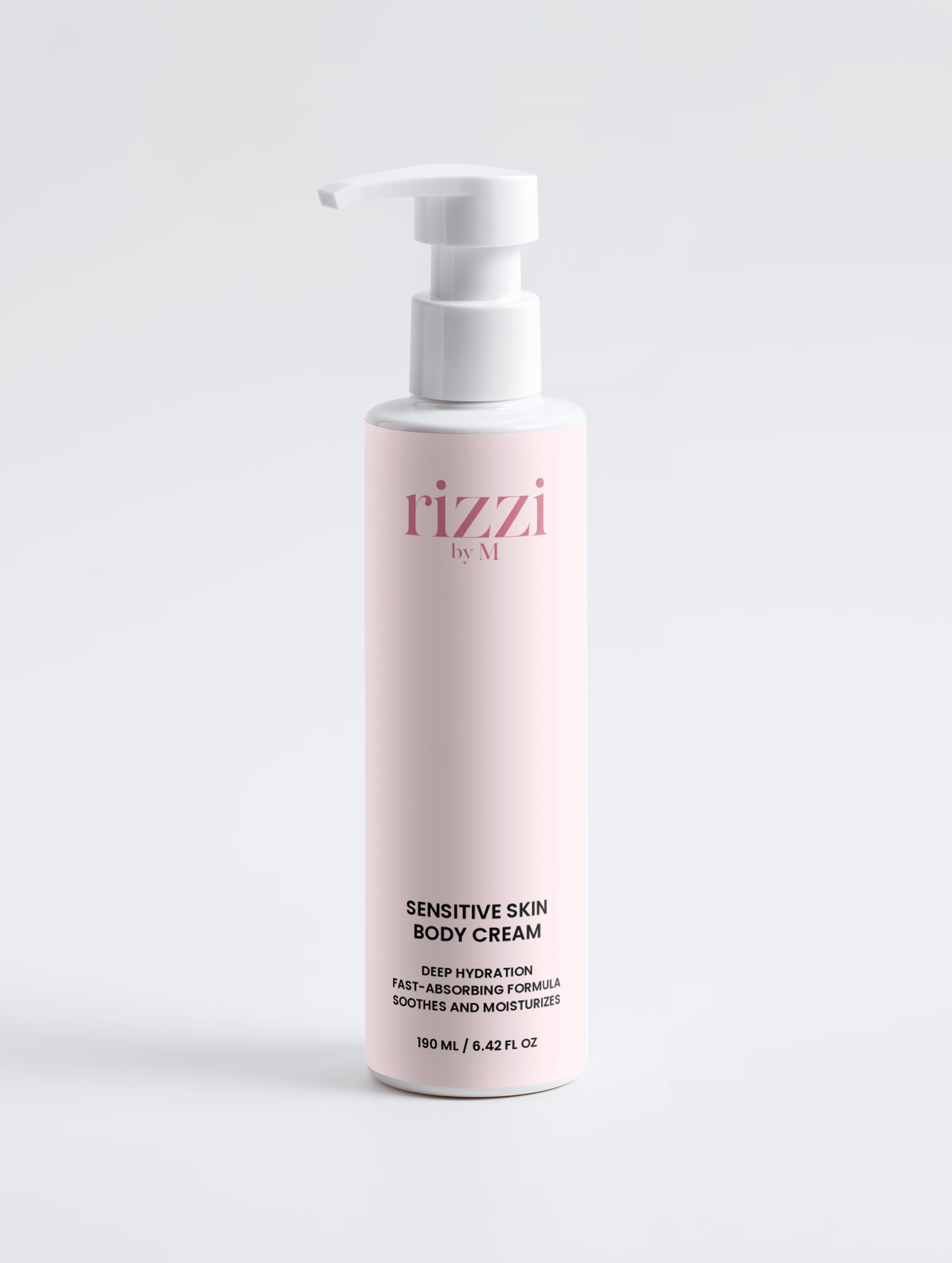
Yes, you can use body moisturizer on your face, but whether you should depends on the formula, your skin type and how your skin reacts. Most body creams are heavier, richer and more occlusive than face products, so they can clog pores or irritate sensitive areas. A body cream made for sensitive skin, like our Sensitive Skin Body Cream at $24.99, can be a gentler choice on the face than a heavy body lotion.
Facial skin is thinner and has more oil glands than skin on the arms or legs. That means fragrance, heavy butters and strong actives can cause redness or breakouts faster on the face. Check the label before you apply anything near your eyes or mouth.
Body Moisturizer vs Face Moisturizer: Key Differences in Formula and Purpose
Body and face moisturizers are built for different skin. Body products often focus on large areas, rough patches and long-lasting softness. Face products are usually lighter, more refined and designed to sit well under makeup and sunscreen. The practical difference comes down to three things: how occlusive the formula is, how much fragrance and irritation risk it carries, and whether it contains exfoliating or active ingredients that facial skin may not tolerate.
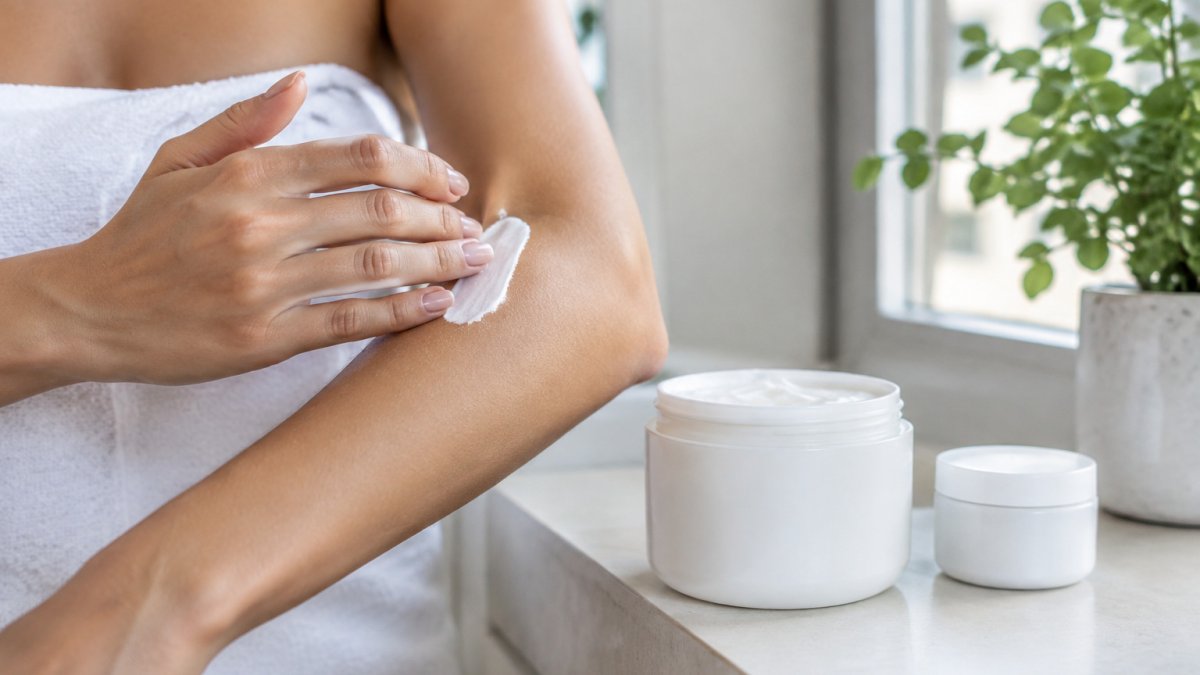
Watch out: a thick body butter can trap oil under the skin on your face and lead to congestion, even if the product itself seems gentle.
Ingredient-by-Ingredient Comparison
Instead of judging a product by its category, read the ingredient list and ask what each major component does to facial skin.
- Shea butter and cocoa butter: Rich, occlusive emollients that seal in water. They are excellent for very dry body skin, but on the face they can feel heavy and may contribute to congestion in oily zones. A small amount on dry cheeks can work; a full layer on the T-zone often does not.
- Mineral oil and petrolatum: Among the most effective occlusives for preventing water loss. They are generally well tolerated and low-irritation, but their weight makes them a better fit for the body or for very dry, non-acne-prone facial skin.
- Aloe and sodium PCA: Lightweight humectants that draw water into the skin. They are usually suitable for sensitive areas and are common in both face and body formulas.
- Hyaluronic acid and glycerin: Humectants that hold water in the skin. They work well in both body and face formulas, though face products often pair them with lighter emollients so they absorb quickly.
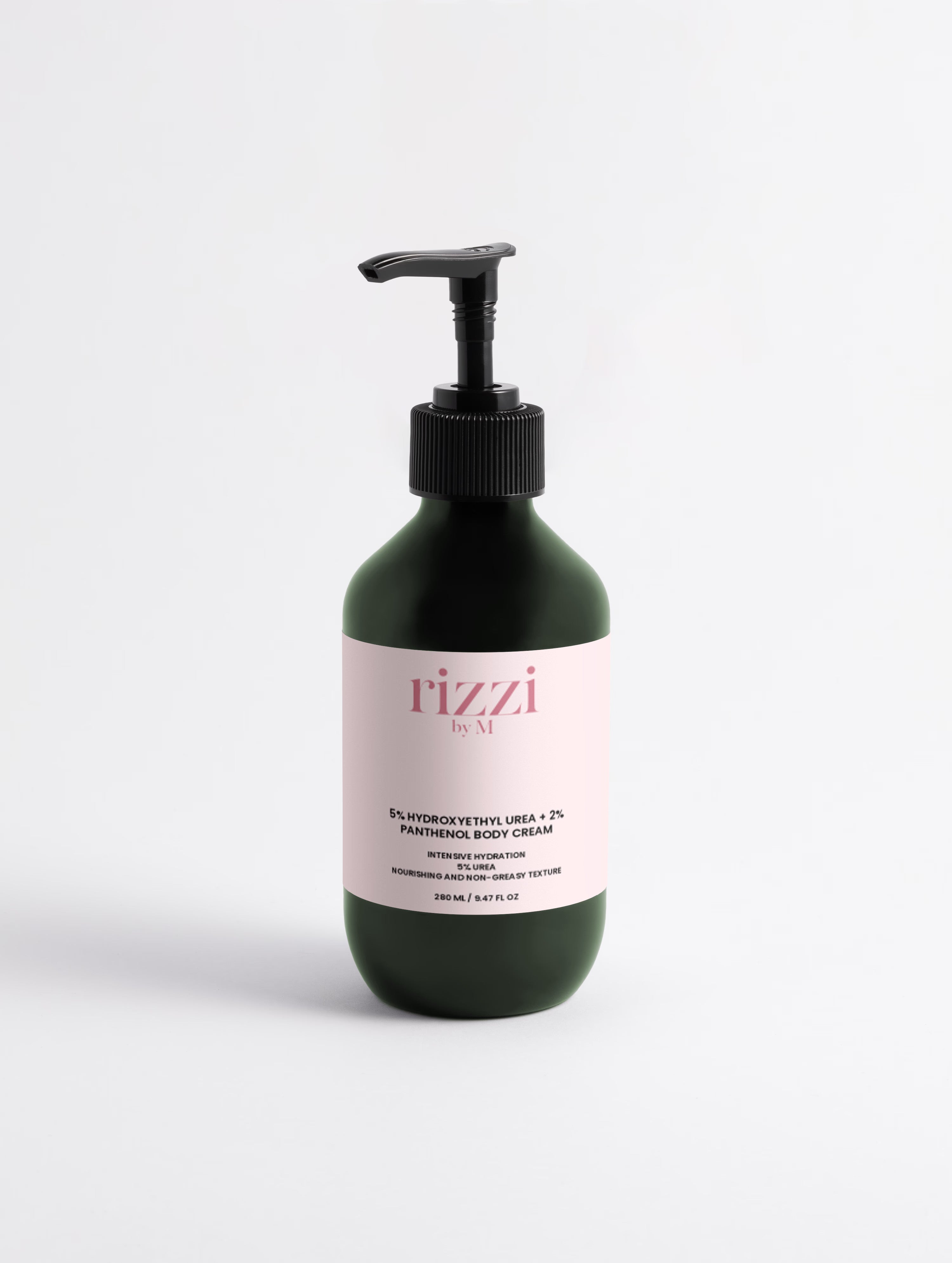
- Urea: At low percentages it hydrates; at higher percentages it exfoliates dry, rough skin. Our 5% Hydroxyethyl Urea + 2% Panthenol Body Cream at $26.99 is crafted for rough, dry body skin.
- Fragrance and essential oils: The most common cause of irritation and allergic contact reactions in moisturizers. Fragrance-free formulas are the safer choice for facial use, especially near the eyes and mouth.
- Exfoliating acids (AHA/BHA) and retinoids: Sometimes added to body lotions for rough skin. On the face, these can cause redness, peeling and sun sensitivity, so a body product containing them is a poor substitute for a facial moisturizer.
- Silicones (dimethicone, cyclopentasiloxane): Give a smooth, non-greasy finish and help reduce water loss. They are common in face products and generally well tolerated, though some people prefer to avoid them.
How to Read the Label Before You Apply
A quick label check tells you more than the product name. Look at the intended-use directions first: if the label says "for body" and directs you to apply to arms and legs, treat facial use as off-label. Then scan for fragrance, essential oils, exfoliating acids and retinoids, which are the ingredients most likely to cause facial irritation. Finally, check texture claims: a product described as a "butter," "balm" or "ointment" is usually heavier than a "lotion" or "gel." A product labeled non-comedogenic is a reasonable starting point, but the label cannot guarantee how your individual skin will respond.
The article compares how common body moisturizer ingredients tend to behave on facial skin.
| Ingredient | Typical role | Fit for the face |
|---|---|---|
| Shea and cocoa butter | Rich occlusive emollients | Heavy; can congest oily zones |
| Mineral oil and petrolatum | Strong occlusives | Better for body or very dry, non-acne-prone skin |
| Aloe and sodium PCA | Lightweight humectants | Usually suitable, including for sensitive areas |
| Hyaluronic acid and glycerin | Humectants that hold water | Work well in both body and face formulas |
| Urea | Hydrates at low %, exfoliates at high % | Body use; 5% formula is for rough body skin |
| Fragrance and essential oils | Scent; common irritant | Choose fragrance-free for facial use |
| AHA/BHA and retinoids | Exfoliating and active ingredients | Can cause redness and peeling on the face |
| Silicones | Smooth, non-greasy finish | Common in face products; generally well tolerated |
Can You Use Body Moisturizer on Your Face Daily?
Daily use is possible if the product is fragrance-free, non-greasy and suited to your skin type. Apply a small amount, let it absorb, and watch how your skin responds over two weeks.
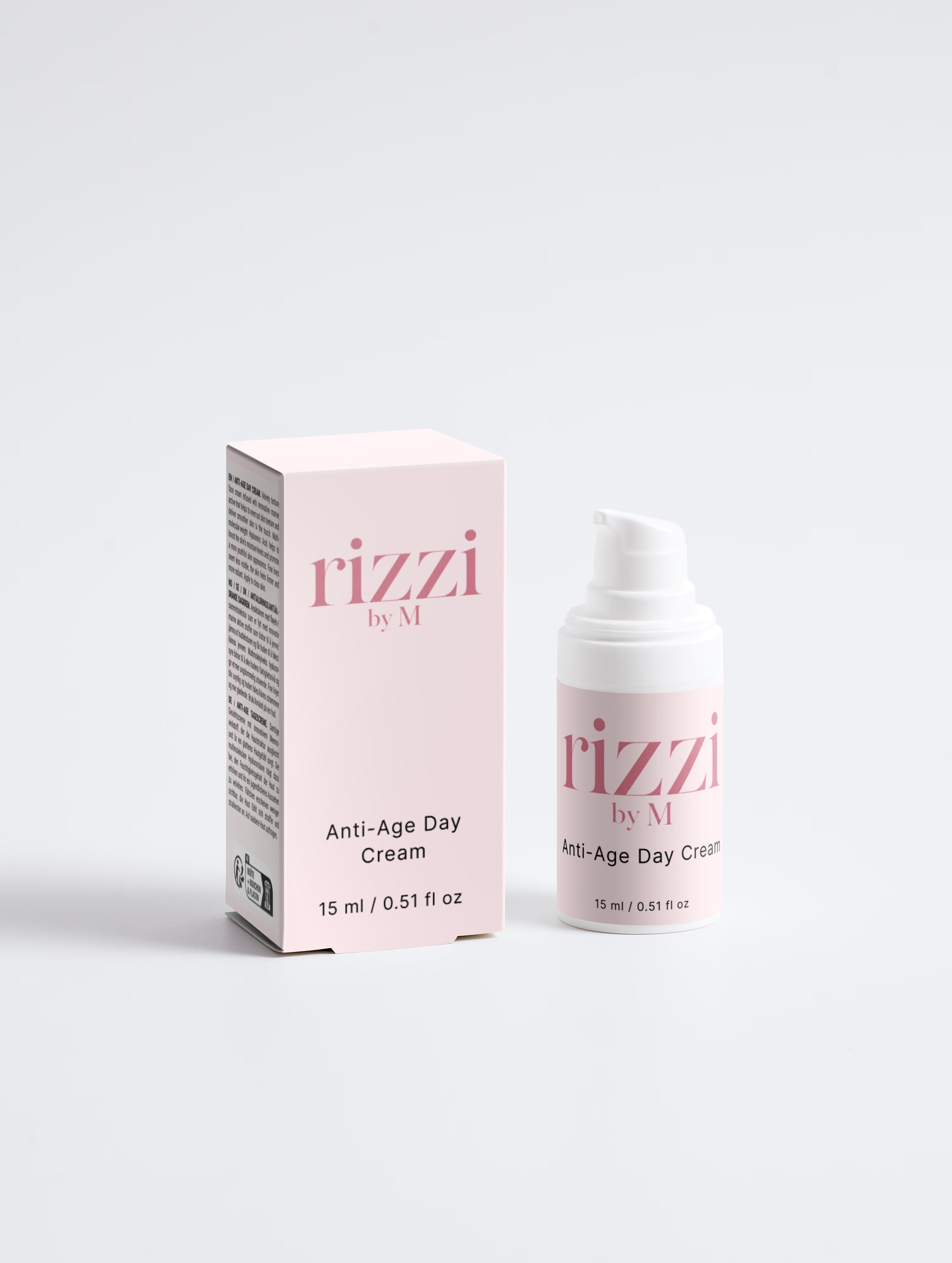
For daily facial care, our Anti-Age Day Cream at $9.99 uses multi-molecular-weight hyaluronic acid to help boost the skin's moisture levels.
Body Lotion for Acne-Prone Skin: Clogged Pores, Breakouts and Comedogenicity
Acne-prone skin is more sensitive to heavy, pore-clogging products. Body lotions often contain oils and butters that can block pores on the face, leading to breakouts along the jawline, forehead or cheeks.
What Comedogenic Ratings Can and Cannot Tell You
Comedogenicity ratings estimate how likely an ingredient is to clog pores, but they come from limited testing and do not predict how a full formula will behave on your skin. A product with a low rating can still cause breakouts, and a product with a higher rating may be fine for some people. Use ratings as a rough guide and test any new product on a small area first.
Guidance by Skin Type: Sensitive, Dry and Mature Skin
Skin type changes the answer more than product category does. The same body cream can be fine on dry cheeks and a problem on an oily T-zone, so match the formula to your skin rather than to the label alone.
- Sensitive skin: Choose fragrance-free formulas with short ingredient lists. Our Sensitive Skin Body Cream is designed for sensitive and dehydrated skin and can be used on both face and body. Patch test on the jawline for two to three days before applying to the full face.
- Dry skin: Look for humectants (glycerin, hyaluronic acid, sodium PCA) paired with emollients (shea butter, fatty alcohols). A rich body cream may work on dry face patches, but keep it off oily zones. Apply to damp skin after cleansing to lock in water.
- Mature skin: Lightweight, hydrating formulas with hyaluronic acid tend to suit mature skin better than heavy butters. Our Anti-Age Day Cream is designed for mature skin concerns such as fine lines. If you use a body cream, choose one without exfoliating acids, since mature facial skin is often thinner and more reactive.
- Oily skin: Avoid butters, mineral oil and heavy occlusives, which can sit on the surface and contribute to shine and congestion. A lightweight lotion or gel, applied sparingly, is a better short-term substitute.
- Acne-prone skin: This is the group most likely to react to a body moisturizer. Look for oil-free, non-comedogenic formulas and avoid cocoa butter, coconut oil and isopropyl myristate, which are common in body products and can clog pores. If you are actively treating acne, keep a face-specific moisturizer in your routine rather than substituting a body product.
- Eczema-prone skin: Barrier-compromised skin needs fragrance-free, low-irritation formulas, and body creams are often formulated for exactly this use. However, facial eczema can be triggered by ingredients that are fine on the body, so introduce any new product slowly and stop if itching or redness increases. If eczema is active, flaking or oozing, consult a dermatologist before experimenting with new products.
A common pattern is that people with combination skin do best by treating zones differently: a richer body cream on dry cheeks, a lighter lotion on the forehead and nose. If you are unsure which category you fall into, wash your face, wait an hour without applying anything, and notice where shine appears versus where skin feels tight.
Short-Term Use vs Regular Use: When It Is Acceptable
Using a body cream on your face for a night or two when you have run out of face moisturizer is generally low risk for most people. Regular daily use is where problems are more likely to appear, especially with heavy formulas. If you notice stinging, redness or new bumps, stop and switch to a face-specific product.
What to Use If You Run Out of Face Moisturizer
A gentle body cream can fill the gap for a short time. Apply it sparingly, avoid the eye area, and use sunscreen during the day. If you need a long-term replacement, choose a product labeled for the face or suitable for sensitive skin. Our Anti-Age Day Cream at $9.99 is a practical option for everyday facial care.
Choosing Your Next Moisturizer: Sensitive Skin Body Cream, Urea Body Cream or Anti-Age Day Cream
Pick based on where you plan to use it and what your skin needs:
- Sensitive Skin Body Cream ($24.99): A fast-absorbing option designed for sensitive, dehydrated skin, for use on both face and body.
- 5% Hydroxyethyl Urea + 2% Panthenol Body Cream ($26.99): Designed for rough, dry body skin. Keep it on the body rather than the face.
- Anti-Age Day Cream ($9.99): Velvety face cream with hyaluronic acid, designed to address signs of aging.
If your main concern is your face, the Anti-Age Day Cream is designed for that purpose. If you have sensitive skin and want one product for both face and body, the Sensitive Skin Body Cream is designed for that use.
BUTTON: Shop Gentle Moisturizers CARD_TITLE: Need a gentler moisturizer for your face? CARD_TEXT: rizzi by M makes fragrance-aware creams for sensitive, dry and mature skin.
Frequently Asked Questions
Can I use body moisturizer as face moisturizer?
Often yet not always. Body moisturizers are typically thicker, use heavier occlusive ingredients and may contain fragrance, which can clog pores or irritate facial skin. Face skin is thinner and more reactive than body skin. Look for a non-comedogenic label and a short, simple ingredient list. The Sensitive Skin Body Cream ($24.99) is formulated for both face and body, so check its directions and patch test first.
Can you use body moisturizer on your face every day?
Daily use depends on the formula and your skin type. Lightweight, fragrance-free body creams with humectants such as hyaluronic acid are generally easier to tolerate daily than rich butters. If you notice redness, itching or new breakouts within a week or two, stop using it on your face. The Sensitive Skin Body Cream is designed for daily use on both face and body.
Is putting body lotion on your face bad for acne?
It can be, particularly with heavy or pore-clogging formulas. Acne-prone skin does better with non-comedogenic, oil-free products. Check the ingredient list for heavy oils and butters high in the list. Test a small area on the jawline for several days before applying across the face. If breakouts worsen, switch to a face-specific formula.
What can I use if I run out of face moisturizer?
For a short period, a fragrance-free body lotion with a simple ingredient list is usually a reasonable stopgap, especially on dry areas. Avoid scented products, essential oils and sunscreens not labeled for the face. Anti-Age Day Cream ($9.99) is a face-specific option if you need a dedicated face product. Return to your regular routine once you restock, and see a dermatologist if irritation persists.
