


Quick Summary
Clean anti-aging skincare is worth it only if the formula discloses proven actives at usable concentrations. "Clean" has no legal definition for cosmetics, so judge each product by its ingredient list rather than its front label. Retinoids, niacinamide and antioxidants have the strongest evidence for visible aging.
- Clean" has no single legal definition for cosmetics, so each brand sets its own rules.
- Retinoids have the most studied evidence for smoothing fine lines and supporting renewal.
- Start retinoids two to three nights per week and build up as your skin tolerates them.
- Choose products that disclose active concentrations rather than undisclosed proprietary blends.
- Apply broad-spectrum SPF 30 or higher every morning as the final step of your routine.
Table of Contents
- What Clean Beauty Means for Anti-Aging Skincare
- Clean Beauty Anti-Aging Ingredients to Look For
- Best Clean Anti-Aging Skincare for Your 40s
- Best Clean Anti-Aging Skincare for Your 50s
- A Clean Anti-Aging Skincare Routine, Step by Step
- Setting Realistic Expectations and Protecting Sensitive Skin
- Choosing Your Clean Anti-Aging Starter Set
- Frequently Asked Questions
What Clean Beauty Means for Anti-Aging Skincare
Last Updated: November 21, 2026
Clean beauty for anti aging is a marketing term, not a regulated standard, and that matters when you are paying for it (the FDA). "Clean" has no single legal definition for cosmetics, so each brand sets its own rules. Rizzi by M builds its anti-aging line around clean, high-quality ingredients and no unnecessary fluff, so you can judge each product on what is actually in it.
Most people use "clean" to mean they want fewer ingredients they are worried about. That usually includes fragrance, certain preservatives and synthetic additives, but the list varies from brand to brand. Read the ingredient list yourself rather than trusting the front label.
Clean is not the same as effective. A clean serum still has to deliver active ingredients at a usable strength. The question to ask is whether the formula includes proven anti-aging actives, such as peptides, hyaluronic acid or niacinamide, at concentrations the brand discloses.
Clean Beauty Anti-Aging Ingredients to Look For
Because "clean" has no single legal definition for cosmetics, the ingredient list is the most useful place to judge a formula. A practical standard is to look for three things: disclosed active ingredients at usable concentrations, a short and legible ingredient list, and the absence of common irritants such as added fragrance and drying alcohols.
Actives with meaningful evidence for visible aging
- Retinoids (retinol, retinal, and prescription tretinoin). These remain the most studied anti-aging actives for smoothing the look of fine lines and supporting skin renewal. Over-the-counter retinol is generally weaker than prescription tretinoin, and results usually take several weeks of consistent use. Irritation, redness, flaking, stinging, is common in the first weeks, so start two to three nights per week and build up. For a deeper look at gentle retinol alternatives for sensitive skin, see our dedicated guide. Avoid layering with strong acids on the same night.
- Niacinamide. A form of vitamin B3 that supports the skin barrier and helps even the look of tone. It is generally well tolerated and pairs well with most routines. Concentrations commonly range from 2% to 10%; higher is not automatically better, and some sensitive users find 10% or more irritating.
- Hyaluronic acid. A humectant that draws water into the upper skin layers, temporarily plumping the look of fine lines. It works best when applied to slightly damp skin and sealed with a moisturizer; in very dry climates it can draw moisture from the skin if not sealed.
- Peptides. Short chains of amino acids used in many formulas for smoothing and firmness support. Evidence is promising but generally less robust than for retinoids, and results depend on the specific peptide and concentration. When a brand discloses a concentration, for example, 2% Hexapeptide-11, that is a stronger signal than an undisclosed peptide blend.
- Bakuchiol. A plant-derived retinol alternative that some people with sensitive skin find gentler than retinol, with generally milder effects rather than a like-for-like replacement.
- Antioxidants (vitamin C, vitamin E, green tea, ginkgo). These help defend against environmental stress that contributes to visible aging. Vitamin C in particular is unstable and formulation-dependent; opaque packaging and a disclosed concentration are worth checking.
Ingredients and formats to approach with caution
- Added fragrance and essential oils. These are common causes of irritation and allergic contact dermatitis, especially on reactive or sensitized skin. Fragrance-free is not the same as unscented, unscented products can still contain masking fragrance (the FDA).
- High-concentration acids used daily. Exfoliating acids can help texture but overuse damages the barrier. Most practitioners suggest two to three times per week rather than daily for most skin types.
- Undisclosed "proprietary blends." Without a disclosed active concentration, you cannot judge whether the formula delivers a usable dose.
A realistic evidence hierarchy
If your goal is visible improvement in fine lines and tone, prioritize retinoids first, then niacinamide and antioxidants, then peptides and bakuchiol as supporting or gentler options. Hyaluronic acid improves hydration and the look of plumpness but does not change skin structure. This ordering matters because marketing often presents all actives as equivalent, and they are not.
Watch out: bakuchiol and peptides are often marketed as direct retinol replacements, but the evidence base for retinoids is substantially deeper, treat gentler alternatives as options for tolerance, not as guaranteed equivalents.
The article's ingredient guidance can be scanned as a quick reference, with each active's role and caution noted.
| Ingredient | Best for | Key note |
|---|---|---|
| Retinoids | Fine lines and skin renewal | Results take several weeks; start 2-3 nights weekly |
| Niacinamide | Barrier support and tone | Commonly 2% to 10%; higher may irritate |
| Hyaluronic acid | Hydration and plumpness | Apply to damp skin and seal with moisturizer |
| Peptides | Smoothing and firmness support | Evidence promising but less robust than retinoids |
| Bakuchiol | Sensitive skin | Gentler option, milder effects than retinol |
| Antioxidants (vitamin C, E) | Defense against environmental stress | Vitamin C is unstable; check packaging and concentration |
Best Clean Anti-Aging Skincare for Your 40s
In your 40s, the most common concerns are early fine lines, dryness and dullness. A lightweight moisturizer and one targeted serum usually cover the basics.
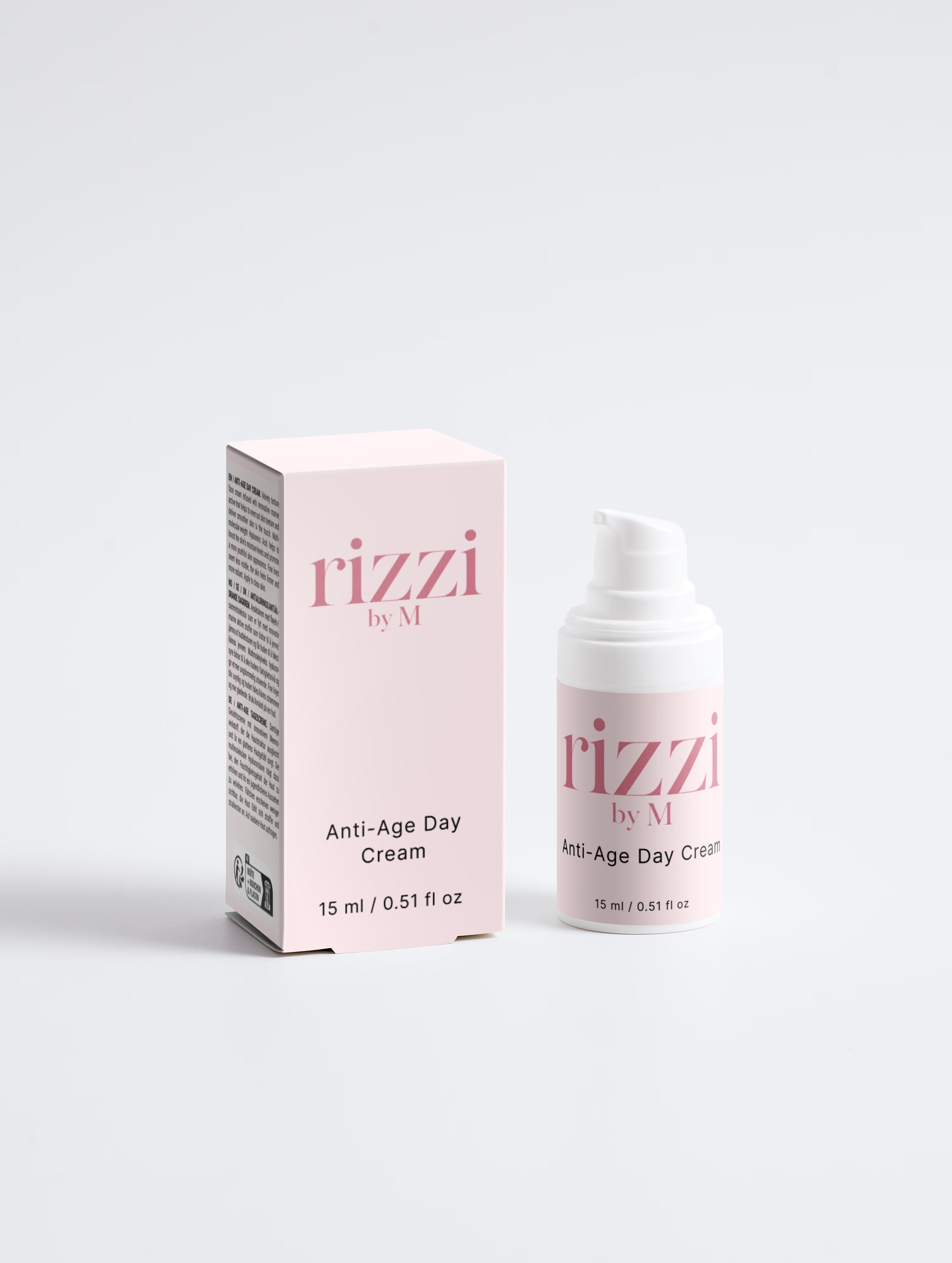
Anti-Age Day Cream ($9.99): This is the most affordable entry point in the line. It uses multi-molecular-weight hyaluronic acid to help boost the skin's moisture levels.
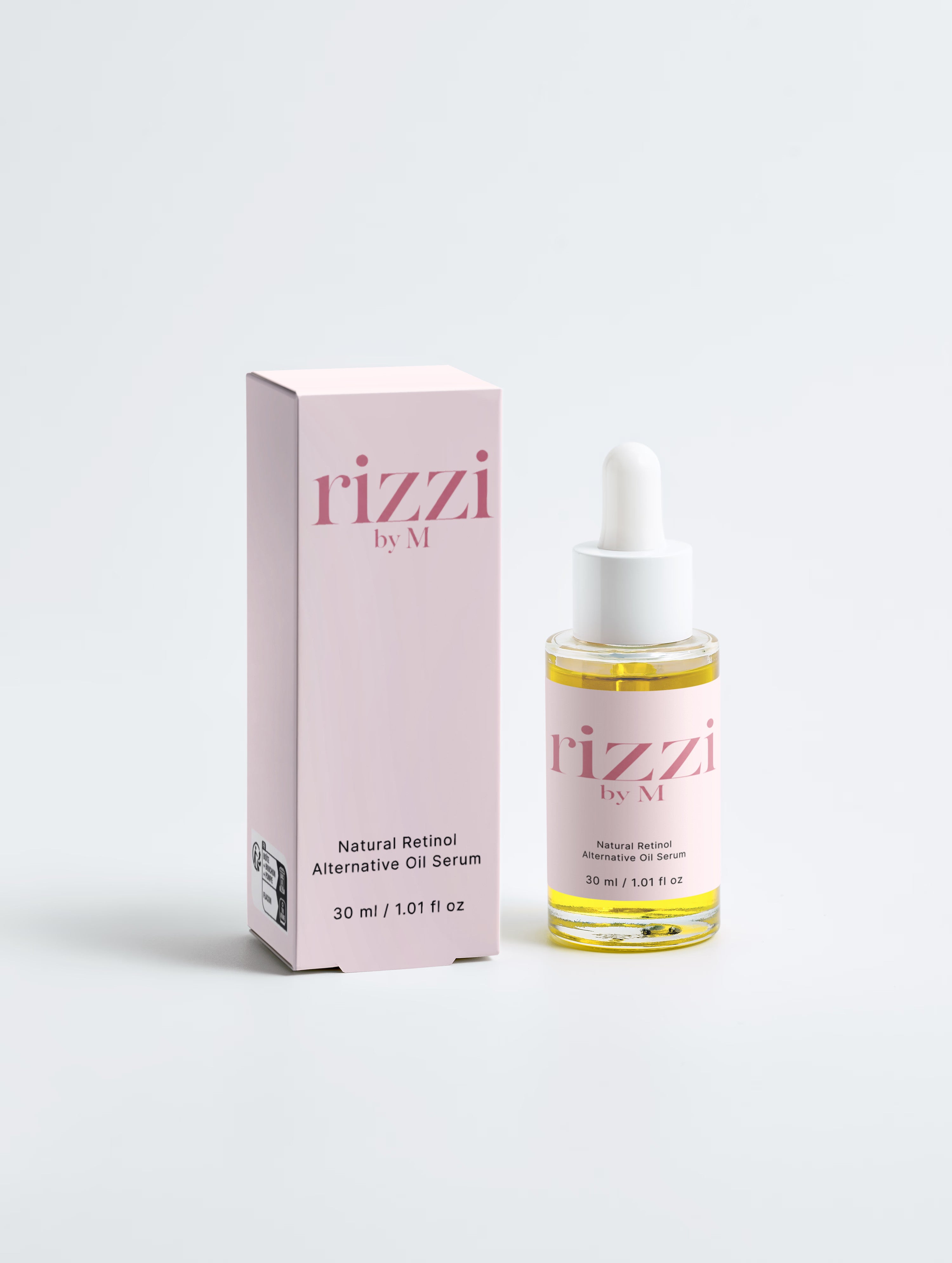
Natural Retinol Alternative Oil Serum ($23.99): Choose this if fine lines and uneven tone are your main concerns.
Exosome & Niacinamide Serum ($22.99): Formulated to help improve the appearance of uneven tone and dullness.
Pros and cons
- Pro: low-cost daily moisturizer with clean ingredients
- Pro: serums target specific concerns without crowding your routine
- Con: oil-based serums can feel heavy on oily skin
Anti-Age Product Prices
Best Clean Anti-Aging Skincare for Your 50s
By your 50s, skin often needs more hydration and firmer support. Peptides and deeper moisture become more important.
Anti-Age Peptide Gift Box ($69.99): This set brings together a peptide serum, eye cream and all-day cream in one routine.
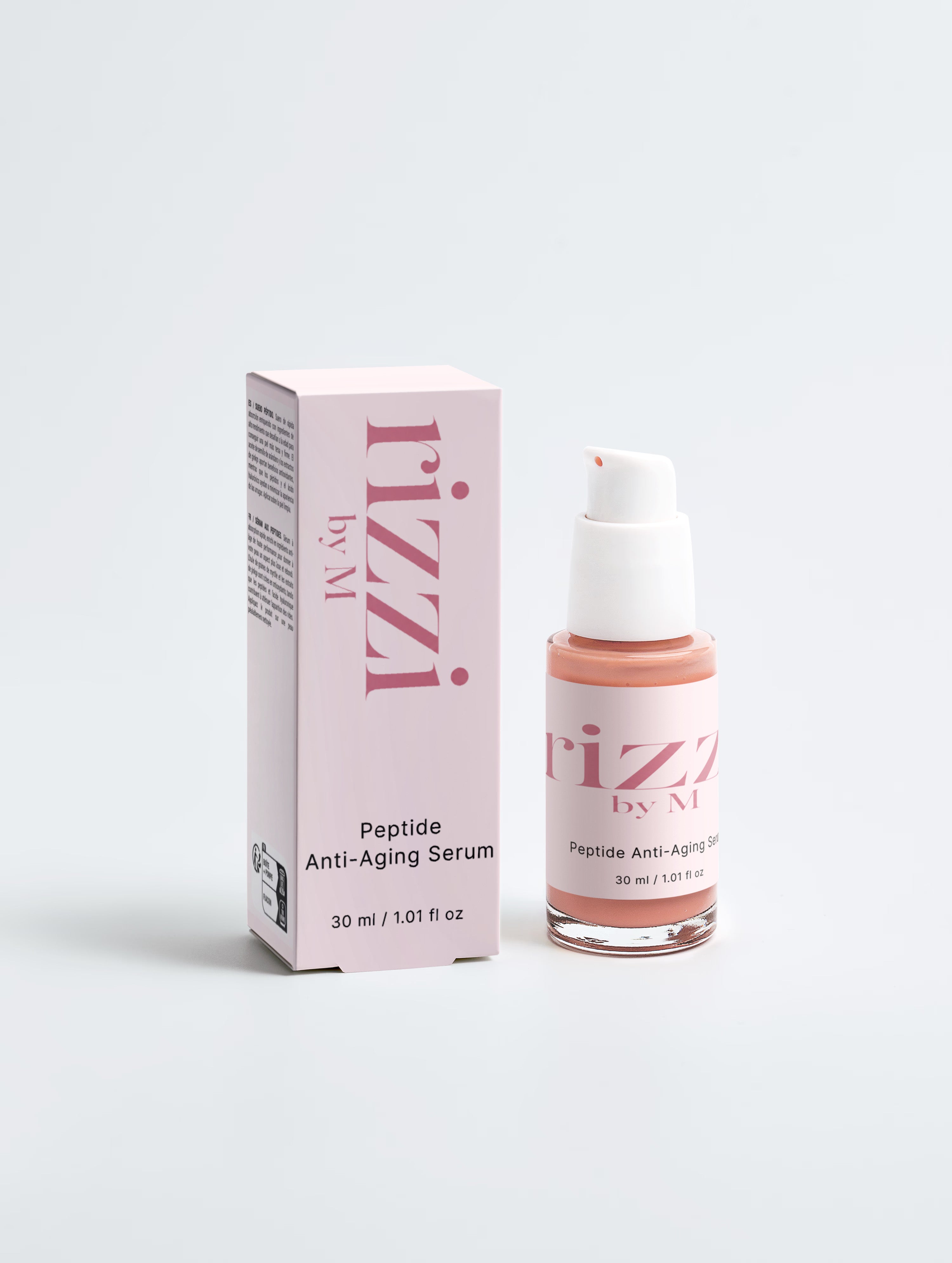
Peptide Anti-Aging Serum ($23.99): Formulated with 2% Hexapeptide-11 and 1% Ginkgo Biloba extract to help diminish the appearance of fine lines and wrinkles. You can see the full peptide anti-aging serum details before deciding.
Pros and cons
- Pro: the gift box removes guesswork about layering
- Con: the full set is a larger upfront spend
Peptide Anti-Aging Serum and Eye Cream for Fine Lines
The eye area tends to show fine lines first, so it deserves its own product. The Peptide Age-Defying Eye Cream ($19.99) is formulated for the delicate eye area with a peptide complex. Its lightweight texture is suitable for morning and evening use.
It pairs with serums and creams within the same range.
A Clean Anti-Aging Skincare Routine, Step by Step
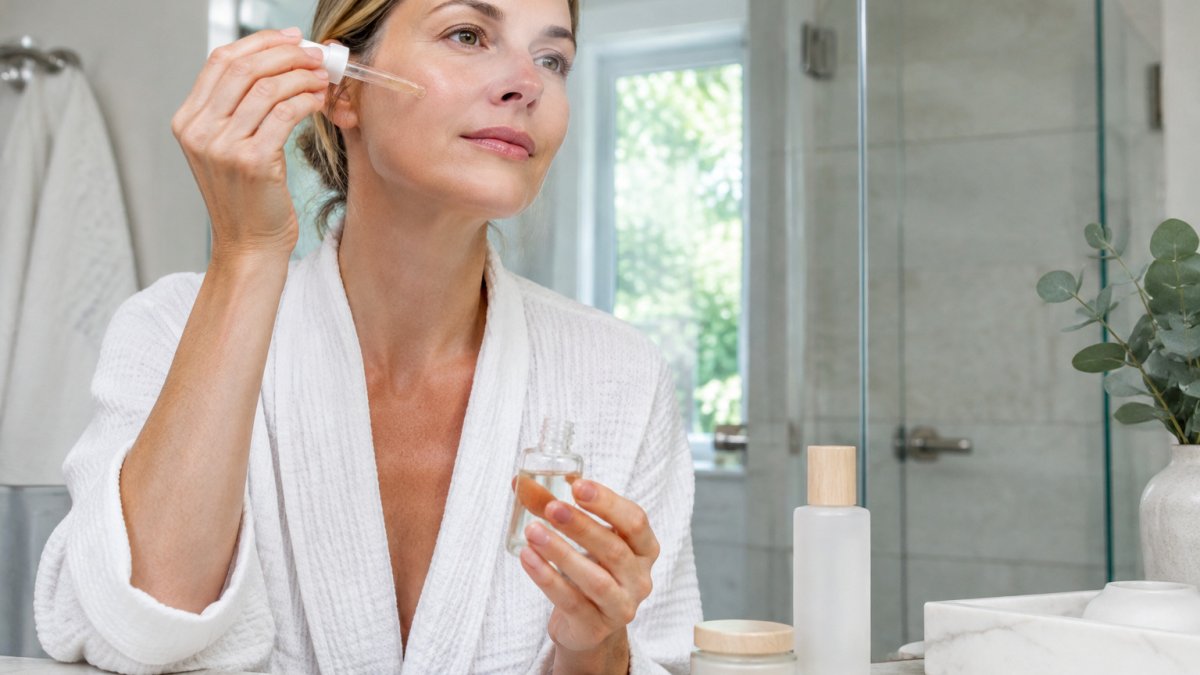
A routine works best when it is simple enough to repeat and ordered so each product can do its job. The sequence below separates morning and evening because sunscreen belongs only in the morning and retinoids belong only at night.
Morning
- Cleanse. A gentle, non-stripping cleanser. If your skin feels tight after cleansing, the cleanser is too harsh.
- Treat (optional). A vitamin C or antioxidant serum, or a niacinamide serum if tone is your main concern. Apply to clean, slightly damp skin.
- Eye care. A pea-sized amount of eye cream dabbed around the orbital bone with your ring finger.
- Moisturize. A day cream to seal in hydration. If your skin is oily, a lighter lotion is enough.
- Protect. A broad-spectrum sunscreen with SPF 30 or higher, applied as the last step every morning, including cloudy days and indoors near windows. Sun exposure is a major contributor to visible skin aging.
Evening
- Cleanse. Remove sunscreen and makeup thoroughly; a double cleanse with an oil-based cleanser followed by a gentle water-based cleanser helps if you wear sunscreen daily.
- Treat. On retinoid nights, apply a pea-sized amount of retinol or retinal to dry skin and wait a few minutes before moisturizer. On other nights, use a peptide or niacinamide serum, or a bakuchiol oil if you prefer a gentler option.
- Eye care. Eye cream around the orbital bone.
- Moisturize. A slightly richer night cream, especially if you use retinoids.
How to introduce actives without irritating your skin
- Start one new product at a time and wait one to two weeks before adding another, so you can tell what your skin is reacting to.
- Begin retinoids at two to three nights per week and increase only after two to four weeks of tolerance.
- Do not layer a retinoid with an exfoliating acid on the same night; alternate them instead.
- If your skin stings, flakes, or turns red, pause the active and focus on cleansing, moisturizing, and sunscreen until the barrier recovers.
Frequency at a glance
- Cleanser, moisturizer, eye cream, sunscreen: daily.
- Antioxidant or niacinamide serum: daily, morning or evening.
- Retinoid: two to three nights per week to start, building toward nightly if tolerated.
- Exfoliating acid: two to three times per week, not on retinoid nights.
Watch out: adding several new actives at once makes it impossible to identify the cause of irritation, and it is the most common reason people abandon a routine that would otherwise have worked.
Setting Realistic Expectations and Protecting Sensitive Skin
Clean anti-aging products may help the look of fine lines and dullness. Results generally depend on consistent use over several weeks.
If your skin is sensitive, patch test any new product on the inner forearm for a few days. Stop using a product that causes stinging, redness or itching. Use gentle actives first, such as niacinamide or bakuchiol, and add stronger ones only after your skin tolerates them.
If your skin barrier is already damaged from over-treating, consider pausing strong actives and focusing on hydration. Persistent burning, rash or flaking should be checked by a dermatologist before you continue.
Choosing Your Clean Anti-Aging Starter Set
If you are starting from scratch, choose based on your main concern:
- Dullness and uneven tone: Exosome & Niacinamide Serum
- Fine lines and gentle renewal: Natural Retinol Alternative Oil Serum
- Full peptide routine: Anti-Age Peptide Gift Box
- Budget-friendly basics: Anti-Age Day Cream
Begin with one serum and one moisturizer. Add the eye cream once those feel comfortable. Shop the full range at rizzibym.com to compare formulas side by side.
Frequently Asked Questions
Is clean beauty legit for anti-aging?
Clean beauty is a marketing term without a single federal definition in the United States, so the label alone does not prove a product works. What matters is the ingredient list and the evidence behind it. Look for proven anti-aging actives such as peptides, hyaluronic acid, niacinamide, and plant-derived retinol alternatives like bakuchiol, which the rizzi by M Natural Retinol Alternative Oil Serum uses. Judge each product on its formula, not its label, and expect gradual changes over several weeks.
What is the best natural anti-aging product?
The best choice depends on your main concern. For fine lines around the eyes, the Peptide Age-Defying Eye Cream at $19.99 is formulated for that area. For overall smoothing, the Peptide Anti-Aging Serum at $23.99 combines 2% Hexapeptide-11 with ginkgo biloba extract. For hydration and firmness across the face, the Anti-Age Day Cream at $9.99 is the lowest-cost option in the range. Start with one product and add others only if your skin needs them.
Which ingredients should I look for in clean anti-aging skincare?
Look for peptides such as hexapeptide-11, hyaluronic acid for hydration, niacinamide for tone and barrier support, and antioxidants like vitamin C and vitamin E. Plant-based retinol alternatives such as bakuchiol are another option for people who find traditional retinoids too irritating. Check that the full ingredient list matches the product description, and patch test any new serum on your jawline for two to three days before using it across your face.
How do I build a clean anti-aging skincare routine?
Start with a gentle cleanser, then add products such as the Peptide Anti-Aging Serum, the Natural Retinol Alternative Oil Serum, the Anti-Age Day Cream, and the Peptide Age-Defying Eye Cream as your skin needs them. Using sunscreen every morning is a sensible step, since sun protection is a major factor in visible aging. Keep the routine to four or five steps so you can tell what is working.
