


Last Updated: October 25, 2026
Quick Summary
A damaged skin barrier is your skin's outermost protective layer breakdown that causes tightness, redness, flaking, and stinging. You can repair it by switching to a gentle cleanser, applying barrier-supporting serums with ceramides and niacinamide, moisturizing consistently, avoiding harsh products, and waiting weeks to months for full healing.
- Most barrier damage takes weeks to months to heal with consistent gentle care.
- Pause exfoliating acids, retinoids, vitamin C, and strong actives during repair to prevent further damage.
- Visible improvement typically appears within weeks 2-4 as redness fades and flaking decreases.
- Reintroduce active ingredients one at a time, starting with the gentlest options like niacinamide.
- See a dermatologist if symptoms don't improve after four weeks or show signs of infection.
Table of Contents
- What a Damaged Skin Barrier Is and Why It Matters
- Signs of a Damaged Skin Barrier You Should Recognize
- Common Causes Behind Barrier Damage
- Step-by-Step Skin Barrier Repair Routine
- Best Ingredients for Skin Barrier Repair
- How Long Does Skin Barrier Repair Take
- When to See a Dermatologist About Barrier Damage
- Frequently Asked Questions
What a Damaged Skin Barrier Is and Why It Matters
Your skin barrier is your skin's outermost protective layer, made of lipids like ceramides, fatty acids, and cholesterol that lock in moisture and keep irritants out (Skin Barrier Function: The Interplay of Physical, Chemical, and Immunologic Properties).
A damaged skin barrier causes tightness, redness, flaking, stinging, and reactivity to products that used to feel fine (Understanding the Epidermal Barrier in Healthy and Compromised Skin).
The good news: you can repair it. Learn clean skincare principles designed specifically for barrier health and sensitive skin.
At rizzi by M, we focus on gentle, intentional skincare designed to restore and protect your skin's natural defenses.
Signs of a Damaged Skin Barrier You Should Recognize
Recognizing the warning signs early helps you stop further damage before it gets worse.
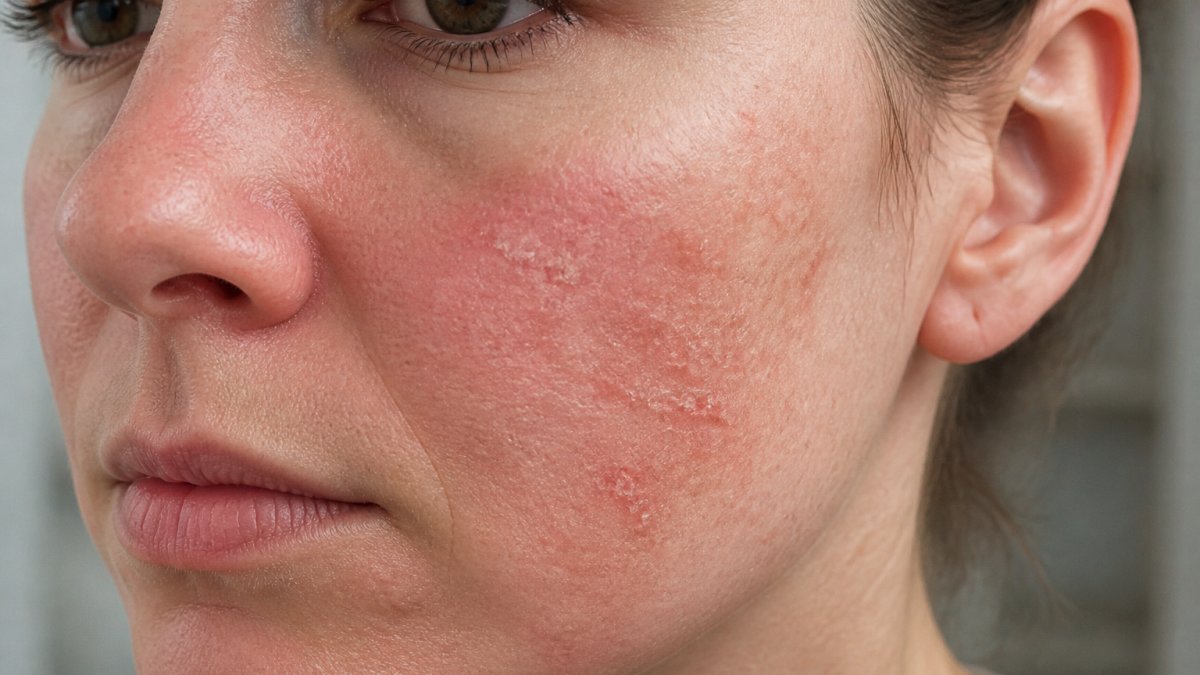
Common signs include:
- Redness and inflammation that appears quickly after applying products
- Dryness and tightness that moisturizer doesn't fix
- Flaking or peeling skin, especially in patches
- Stinging or burning when you apply water or skincare products
Watch out: If your skin shows severe blistering, oozing, or signs of infection, see a dermatologist. These indicate more serious damage that needs professional care.
Some of these signs overlap with other skin conditions. If redness persists or worsens after two weeks of barrier repair, consult a dermatologist to rule out eczema, rosacea, or contact dermatitis.
Common Causes Behind Barrier Damage
Barrier damage rarely happens by accident, it usually results from repeated stress on your skin. Knowing the cause helps you avoid repeating it.
The most common culprits:
- Over-exfoliation, using exfoliating acids, scrubs, or tools too often
- Too many active ingredients, retinoids, vitamin C, acids, and niacinamide stacked together
- Harsh cleansers, products with sulfates, high pH, or strong fragrances
- Frequent use of strong actives, applying potent treatments daily without breaks
- Environmental stress, extreme cold, heat, low humidity, or pollution
Many people damage their barrier while trying to fix other concerns, stacking acne treatments, anti-aging serums, or brightening products at once. Your skin can't tolerate everything simultaneously, even if each product is good.
Step-by-Step Skin Barrier Repair Routine
Repairing a damaged skin barrier requires consistency and patience. The routine below focuses on the essentials: clean, hydrate, protect.
First, Gauge Your Severity
- Mild: Tightness after cleansing, mild flaking, occasional stinging with strong products. No persistent redness.
- Moderate: Visible redness, stinging with water or basic moisturizer, patches of flaking, products that used to be fine now burn.
- Severe: Oozing, crusting, swelling, hives, or pain. Stop self-treating and see a dermatologist, this is beyond a routine fix.
The Core Routine (All Skin Types)
This is the baseline. Adjust it using the skin-type notes that follow.
Morning:
- Rinse with lukewarm water, or use a gentle cleanser if you are oily.
- Apply a hydrating serum to damp skin.
- Apply moisturizer.
- Apply a mineral sunscreen (zinc oxide or titanium dioxide) if you will be outdoors. Sun protection matters during repair because compromised skin burns more easily.
Evening:
- Cleanse gently with a low-pH, non-foaming cleanser.
- Apply barrier-supporting serum to damp skin.
- Apply a richer moisturizer or an occlusive layer if your skin is very dry.
Keep this core for at least two weeks before judging results.
Step 1: Switch to a Gentle, Hydrating Cleanser
Your cleanser is the foundation. A harsh cleanser strips lipids and worsens damage every wash.
Look for cleansers that:
- Have a low pH (around 5.5 or lower)
- Skip sulfates and strong fragrances
- Include hydrating ingredients like glycerin or plant extracts
- Feel creamy or milky, not squeaky
The Sensitive Skin Face & Body Cleanser with a minimalistic formula gently purifies the skin, helping to maintain the skin’s natural moisture levels. Infused with linden and jasmine flower extract, and plum fruit extracts, it is designed to help soothe the skin and leave it feeling clean, comfortable, and beautifully soft.

Use it twice daily: wet skin with lukewarm water, apply gently, rinse thoroughly, and pat dry, don't rub.
Skin-type adjustments:
- Oily or acne-prone: You may cleanse twice daily with the gentle cleanser. Do not use a foaming or salicylic acid cleanser during repair, save those for after recovery.
- Very dry: Cleanse only at night. In the morning, rinse with water alone to preserve lipids.
- Sensitive: Patch-test any new cleanser on your jawline for three days before full-face use.
Step 2: Apply Barrier-Supporting Ingredients
After cleansing, apply a serum with ingredients that actively repair your barrier: ceramides, fatty acids, niacinamide, and prebiotics.
The Bioactive Prebiotics Jelly Serum contains prebiotics and hyaluronic acid. It supports the skin's protective barrier, provides a soothing effect, and promotes a radiant complexion.

Use a few drops, press gently instead of rubbing, and wait 30 seconds before the next step.
Skin-type adjustments:
- Oily: A water-based serum like this one is ideal. Avoid heavy oils at this step.
- Very dry: Layer the serum, then follow immediately with moisturizer while skin is still damp.
- Sensitive: Introduce one new product at a time. Wait a full week before adding the next.
Step 3: Moisturize Consistently
Moisturizing locks in hydration and seals your barrier. Use one rich in ceramides and fatty acids, and apply it while your skin is still slightly damp so it absorbs water and holds it in.
The Sensitive Skin Body Cream works for face and body.

Use a dime-sized amount for your face, pressing gently; use more for your body. Do this twice daily.
Skin-type adjustments:
Bioactive Prebiotics Jelly Serum →
- Oily or acne-prone: Use a thinner layer on the face. If the cream feels heavy, apply it only at night and use a lighter lotion in the morning.
- Very dry: Apply a second layer at night, or seal with a thin layer of petrolatum on the driest patches.
- Sensitive: Avoid moisturizers with fragrance or essential oils, even if they claim to be natural.
Step 4: Avoid Harsh Products and Over-Exfoliation
While your barrier repairs, pause or stop irritating products.
Temporarily skip:
- Exfoliating acids (AHAs, BHAs, lactic acid)
- Retinoids and vitamin A derivatives
- Vitamin C serums
- Strong acne treatments
- Essential oils and fragrance
These aren't bad products; your skin just can't tolerate them right now. Reintroduce them once your barrier has healed. Cleanse only twice daily, don't over-wash, and use lukewarm rather than hot water.
Skin-type adjustments:
- Acne-prone: If you must treat breakouts during repair, use a gentle benzoyl peroxide spot treatment on individual pimples only, not all over. Full-face acne treatments can wait.
- Oily: Resist the urge to over-cleanse. More washing does not reduce oil; it can trigger more oil production.
Step 5: Wait Before Reintroducing Active Ingredients
Patience is critical, rushing actives back too soon re-damages your barrier and restarts the cycle.
Once your skin feels comfortable and redness has faded, you can slowly reintroduce one active at a time. Start with the gentlest option. Use it once or twice weekly.
Reintroduction order (gentlest to strongest):
- Niacinamide (if not already in your routine)
- Vitamin C (low percentage, every other day)
- Lactic acid or mandelic acid (gentle AHAs)
- Retinoids (start with a low-strength, every third night)
- Salicylic acid or benzoyl peroxide (only if needed for acne)
If stinging or redness returns, stop the new active and wait another week before trying again.
Best Ingredients for Skin Barrier Repair
The most effective barrier ingredients replace lost lipids or reduce inflammation.
Ceramides are lipids naturally found in your skin barrier.
Niacinamide (vitamin B3) reduces inflammation and supports barrier function.
Hyaluronic acid draws water into your skin and holds it there.
Prebiotics feed beneficial bacteria on your skin.
Squalane is a lightweight lipid that mimics your skin's natural oils.
Centella asiatica (cica) soothes irritation and supports healing.
| Ingredient | Function | Best For |
|---|---|---|
| Ceramides | Fill lipid gaps, lock moisture | All barrier types |
| Fatty acids | Strengthen barrier structure | Dry, compromised barriers |
| Niacinamide | Reduce inflammation, support function | Oily and sensitive skin |
| Hyaluronic acid | Draw and hold hydration | Dehydrated skin |
| Prebiotics | Feed beneficial bacteria | Microbiome support |
| Squalane | Mimic natural oils | Lightweight hydration |
| Centella asiatica | Soothe and heal | Irritated, inflamed skin |
How Long Does Skin Barrier Repair Take
Barrier repair happens in stages. Understanding the timeline keeps you from giving up too early or expecting overnight results.
Weeks 1-2: Your skin stops getting worse. Redness may persist, but stinging and tightness decrease.
Weeks 2-4: Visible improvement appears. Redness fades. Flaking decreases. Your skin feels less tight.
Weeks 4-8: Your barrier continues strengthening. Your skin looks smoother and more radiant. You can tolerate gentle products again.
Weeks 8+: Full repair is often complete by eight weeks, though some people need longer. You can slowly reintroduce active ingredients if desired.
Progress Markers to Track
Use these concrete signs to judge whether you are on track.
You are improving if:
- Water no longer stings when you wash your face
- Moisturizer absorbs without a burning sensation
- Flaking decreases week over week
- Redness fades from the center of your face outward
- Your skin feels comfortable for longer stretches after cleansing
You are stalling or regressing if:
- Stinging returns after you reintroduce a product
- Redness spreads or deepens
- New flaking appears in areas that were clear
- Your skin reacts to products that felt fine a week ago
If you are stalling, strip your routine back to cleanser and moisturizer only for one week. Often, one hidden irritant is the culprit.
When Persistent Symptoms Warrant Professional Care
Most barrier damage resolves with consistent home care, but some symptoms warrant a dermatologist rather than more experimentation. See one if your skin doesn't improve after four weeks, redness or stinging worsens despite gentle care, you develop signs of infection (oozing, crusting, warmth, pus), you have severe blistering or hives, you suspect an allergic reaction, damage follows a chemical burn, or symptoms suggest eczema or rosacea.
Don't rush.
When to See a Dermatologist About Barrier Damage
Barrier repair is straightforward but requires commitment: a gentle cleanser, barrier-supporting serum, and good moisturizer, skipping harsh products temporarily, and waiting patiently. Most people see improvement within weeks.
The Sensitive Skin Face & Body Cleanser and Sensitive Skin Body Cream from rizzi by M are crafted with clean, high-quality ingredients to restore, protect, and enhance your natural glow. Start your barrier repair journey with products formulated to restore, protect, and enhance your skin's natural glow.
Frequently Asked Questions
What is a skin barrier and why does it matter?
Your skin barrier, or stratum corneum, is the outermost layer of skin made up of cells, lipids (fats), ceramides, cholesterol, and fatty acids. It acts as a protective shield that locks in moisture and keeps out irritants and bacteria. When this barrier is healthy, your skin stays hydrated and resilient. A damaged skin barrier loses its ability to retain moisture, leading to dryness, sensitivity, and inflammation. Protecting and repairing this barrier is essential for healthy, comfortable skin.
How long does skin barrier repair take?
Progress appears gradually: redness and stinging usually calm first, followed by reduced dryness and flaking. If symptoms persist, consult a dermatologist.
What should I stop using when my skin barrier is damaged?
Pause or eliminate: exfoliating acids (AHAs, BHAs), retinoids, vitamin C serums, benzoyl peroxide, and any products with fragrance or essential oils. Avoid over-cleansing, hot water, and physical scrubs. Even 'gentle' actives can irritate a compromised barrier. Also reduce the number of products in your routine, simplify to a cleanser, hydrating serum, and moisturizer. Once your barrier has recovered, you can slowly reintroduce one active at a time to monitor tolerance.
Can a damaged skin barrier heal on its own?
A mildly damaged barrier may improve slightly over time, but true healing requires intentional care. If you've damaged your barrier through over-treating with actives, professional guidance from a dermatologist can help design a safe recovery plan.
