


Quick Summary
A hydrating serum can be good for sensitive skin if the formula is gentle and introduced carefully. Light humectants like hyaluronic acid and glycerin help restore moisture without heavy occlusives. Avoid fragrance, essential oils, and alcohol, and patch test before using it on your face.
- Hyaluronic acid and glycerin are humectants that draw moisture into the skin and are generally well tolerated.
- Choose fragrance-free serums, since fragrance is the most common cause of contact irritation in skincare.
- Patch test on the inner forearm or behind the ear once a day for three to five days.
- Apply serum to clean, slightly damp skin, follow with moisturizer, and finish with sunscreen in the morning.
Table of Contents
- Is Hydrating Serum Good for Sensitive Skin? The Short Answer
- Hydrating Serum vs. Moisturizer: What Each Does for Sensitive Skin
- Hydrating Serum Ingredients for Sensitive Skin, Ingredient by Ingredient
- How to Patch-Test a Serum Before Using It on Your Face
- Dehydration, Dryness, or a Damaged Barrier: How to Tell the Difference
- Best Hydrating Serum for Dry Sensitive Skin: rizzi by M Options Compared
- Layering Your Serum With Moisturizer and Sunscreen, and When to Stop
- Choosing Your First Serum for Sensitive Skin
- Frequently Asked Questions
Is Hydrating Serum Good for Sensitive Skin? The Short Answer
Last Updated: November 12, 2026
Hydrating serum can be good for sensitive skin, provided the formula is gentle and you introduce it carefully. Most sensitivity comes from a compromised skin barrier, and a light, humectant-rich serum can help restore moisture without adding heavy occlusives.
A hydrating serum is a lightweight, water-based treatment that delivers humectants such as hyaluronic acid and glycerin to draw moisture into the skin. Serums are often lighter than creams, which some people find easier to layer on reactive skin.
The real question is not whether serums are inherently safe for sensitive skin, but which ingredients you tolerate.
Hydrating Serum vs. Moisturizer: What Each Does for Sensitive Skin
Serums and moisturizers do different jobs. A serum delivers concentrated active ingredients into the upper layers of the skin, while a moisturizer seals water in and supports the barrier on the surface.
For sensitive skin, many people benefit from using both. The serum adds hydration first, and the moisturizer locks it in. Skipping the moisturizer can leave a serum-only routine feeling tight by midday, especially in dry indoor air.
Consider your skin's signals. If your skin feels dehydrated but not greasy, a serum may be enough during warm months. If it feels rough or flaky, a richer moisturizer usually works better.
Hydrating Serum Ingredients for Sensitive Skin, Ingredient by Ingredient
Ingredient lists matter more for sensitive skin than marketing claims, because a formula is only as gentle as its most reactive component. The table below separates the hydrating workhorses from the additives that most often cause trouble, and it explains the trade-off behind each one so you can read a label instead of trusting a "sensitive skin" badge.
Humectants that do the hydrating
- Hyaluronic acid (HA): A humectant that attracts water to the skin. It is generally well tolerated, and most practitioners consider it one of the safest hydrating ingredients for reactive skin. The trade-off is molecular weight: high-molecular-weight HA sits on the surface and feels protective, while low-molecular-weight HA penetrates deeper and can occasionally sting on very compromised skin. If a serum stings, the HA weight or the preservative system is usually the culprit, not the HA itself.
- Glycerin: The most common and best-studied humectant in skincare. It is cheap, effective, and rarely irritating. Glycerin is often the reason a "simple" serum works better than a complex one.
- Panthenol (provitamin B5): A humectant with soothing properties. It is frequently used in barrier-repair formulas and is well tolerated at the low percentages found in most serums.
- Sodium PCA: A naturally occurring humectant in skin. It is gentle but can be an issue for people with fungal-acne concerns, since it is a component of the skin's natural moisturizing factors.
Barrier and soothing ingredients
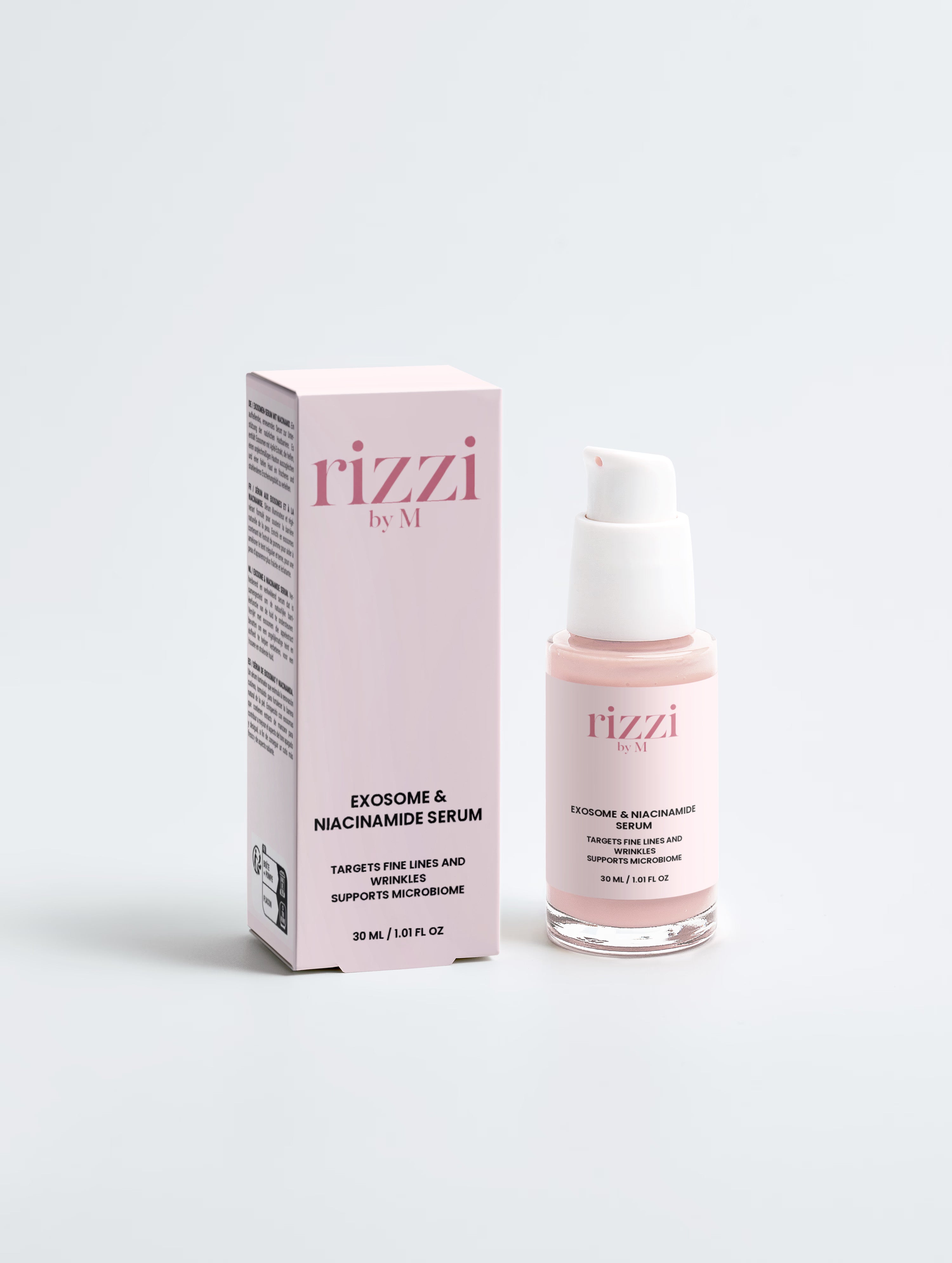
- Niacinamide: Supports the barrier and can calm redness for many people. Some sensitive users notice tingling or flushing at concentrations above roughly 5%, so start with a lower percentage and build up. Compare options in the Exosome & Niacinamide Serum to see a fragrance-free niacinamide formula. Niacinamide is not an exfoliant, but it can feel active on broken skin.
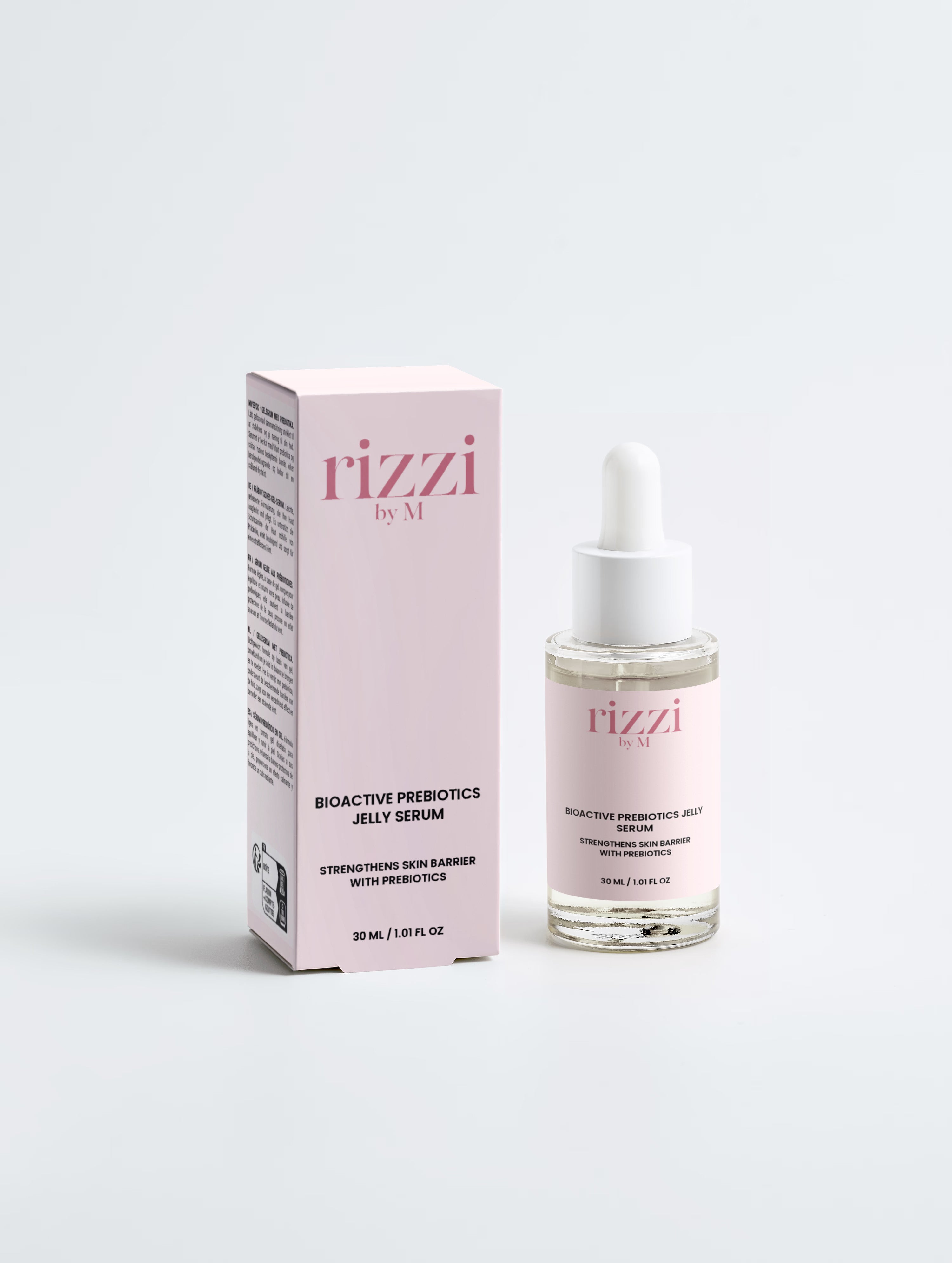
- Prebiotics and postbiotics: Designed to support the skin's microbiome and protective barrier. The Bioactive Prebiotics Jelly Serum is a lightweight, gel-based formula infused with prebiotics.
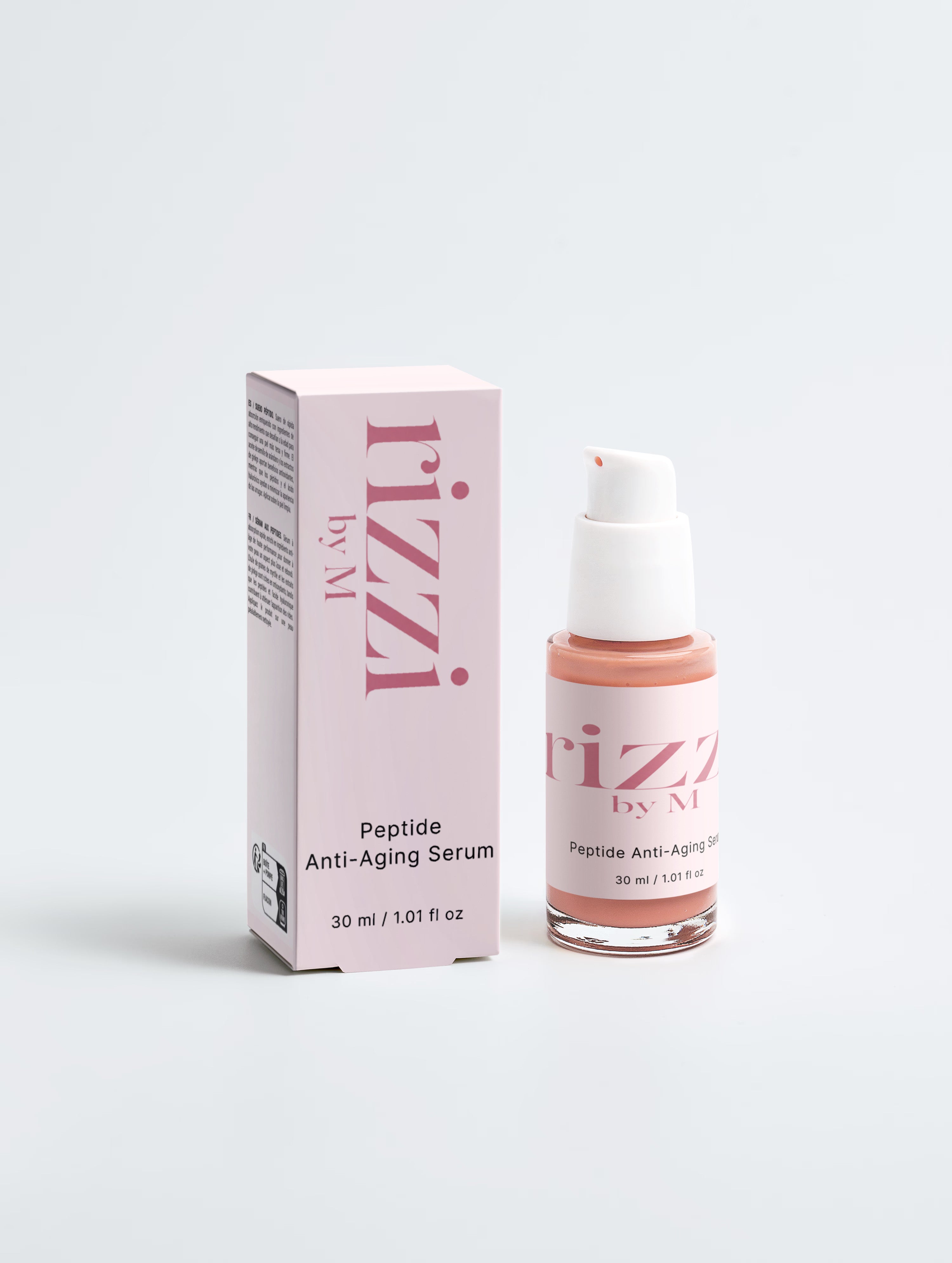
- Peptides: Used in anti-aging formulas such as our Peptide Anti-Aging Serum, which combines 2% Hexapeptide-11 with 1% Ginkgo Biloba extract. The surrounding formula matters as much as any single ingredient.
- Ceramides: Barrier lipids that help seal water in. They are not humectants, but a hydrating serum paired with a ceramide moisturizer is often more effective for sensitive skin than either alone.
Ingredients to approach with caution
- Fragrance and essential oils: The most common cause of contact irritation in skincare. "Fragrance-free" is safer than "unscented," which can still contain masking fragrance (the FDA). Watch out: labels that list "natural fragrance" or individual essential oils (lavender, citrus, peppermint) are still fragrance from a sensitivity standpoint.
- High concentrations of exfoliating acids: AHAs and BHAs can be useful, but a hydrating serum is not the place for them if your skin reacts easily. Keep exfoliation in a separate, low-frequency step.
- Alcohol denat: Used to make a serum feel light and fast-absorbing. It can be drying and stinging on a compromised barrier, so prefer alcohol-free formulas if your skin is reactive.
- Preservatives such as methylisothiazolinone: Effective at preventing mold, but among the more common sensitizers. Phenoxyethanol and sodium benzoate are generally better tolerated alternatives.
How to read a label in 30 seconds
Scan the first five ingredients for humectants (water, glycerin, hyaluronic acid, panthenol) and scan the last five for fragrance, essential oils, and alcohol. If fragrance appears anywhere in the list, treat the product as scented regardless of the front label. A short ingredient list is not automatically safer, but it does make it easier to identify what caused a reaction when one occurs.
How to Patch-Test a Serum Before Using It on Your Face
Most ranking articles recommend patch testing but stop at "apply a small amount." The gap is the timeline and the decision rules: how long to test, where, how to tell an irritant reaction from an allergy, and when to escalate. Use the sequence below as a repeatable protocol for any new serum.
Step 1: Choose the right test site
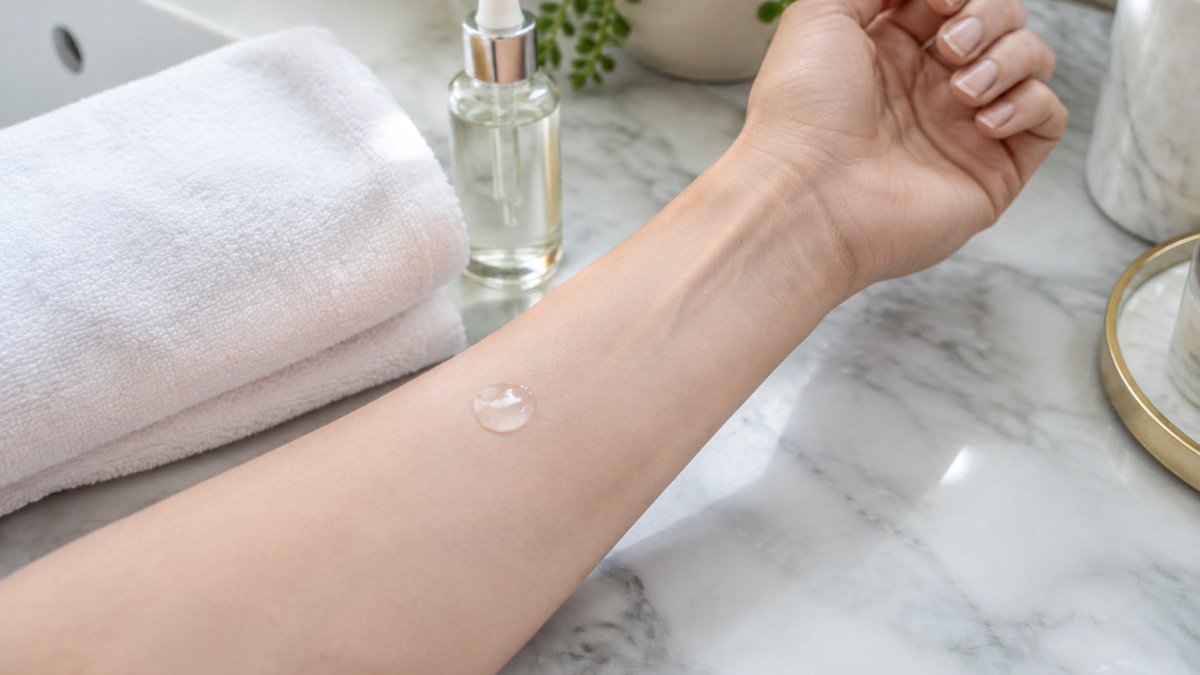
Apply a small amount to the inner forearm or behind the ear. Follow a step-by-step guide to patch testing at home to do it safely. These areas are thin-skinned and sensitive enough to reveal a reaction without putting the product on your face first. Avoid the wrist if you wash your hands frequently, since water and soap can distort the result.
Step 2: Test on a schedule, not a whim
Apply once a day for three to five days. Wait 24 hours between applications and record what you see. A common pattern is a reaction on day two or three rather than immediately, which is why a single application is not a real test.
Step 3: Read the reaction correctly
- Irritant reaction: Redness, stinging, or tightness that appears within minutes to hours and fades after you stop. This is usually a sign the formula is too strong for your barrier right now, not a permanent allergy.
- Allergic reaction: Itching, bumps, swelling, or a rash that spreads beyond the application site, sometimes appearing 24 to 72 hours later. Stop using the product and do not retest it.
Watch out: if you develop swelling, blistering, or difficulty breathing, stop and seek medical care immediately rather than waiting to see whether it settles.
Step 4: Graduate to the face gradually
If the test area stays calm, apply the serum to one side of your face for several days before using it everywhere. This half-face approach makes it easier to identify the cause if irritation appears, because you have a built-in comparison.
Step 5: Introduce one product at a time
Wait at least one to two weeks before adding another new product. If you start a serum and a moisturizer in the same week and react, you will not know which one to stop. Keep a simple note of what you used and when, especially if your skin is reactive.
When to stop and when to call a dermatologist
Stop using the serum if irritation lasts more than a few days after you stop, or if your skin shows signs of an allergic reaction. Seek a dermatologist's advice if symptoms persist, if the reaction keeps returning, or if you have a known history of contact dermatitis. A dermatologist can also help you identify whether the issue is the active ingredient, a preservative, or fragrance.
Dehydration, Dryness, or a Damaged Barrier: How to Tell the Difference
Dehydrated skin lacks water and often feels tight after cleansing, even if it is not dry or flaky. Dry skin lacks oil and may feel rough or scaly. A damaged barrier shows up as stinging, redness, and reactivity to products that previously felt fine.
A hydrating serum helps most with dehydration. For barrier damage, you can follow five steps to fix a damaged skin barrier fast for a deeper plan. For barrier damage, simplify your routine, avoid strong actives, and seek professional guidance before adding new treatments.
Best Hydrating Serum for Dry Sensitive Skin: rizzi by M Options Compared
Several rizzi by M serums suit sensitive or dry skin, depending on your goals:
| Product | Starting Price | Best For |
|---|---|---|
| Bioactive Prebiotics Jelly Serum | $10.99 | Lightweight hydration and barrier support |
| Exosome & Niacinamide Serum | $22.99 | Fragrance-free barrier support and uneven tone |
| Peptide Anti-Aging Serum | $23.99 | Fine lines with hydrating hyaluronic acid |
| Natural Retinol Alternative Oil Serum | $23.99 | Dull, dry skin seeking a retinol-style alternative |
| Calming Facial Oil | $17.99 | Dry, dehydrated skin needing a finishing oil |
Starting Price
Best for: dry skin that wants a light serum first.
Skip if: your skin reacts to fragrance or oils. Choose a fragrance-free option and patch test first.
Layering Your Serum With Moisturizer and Sunscreen, and When to Stop
Apply serum to clean, slightly damp skin, then follow with moisturizer. Always finish your morning routine with sunscreen, since hydrated skin still needs UV protection.
Stop using a serum if irritation lasts more than a few days after you stop, or if your skin shows signs of an allergic reaction. Seek a dermatologist's advice if symptoms persist.
Choosing Your First Serum for Sensitive Skin
Start with one fragrance-free hydrating serum and use it consistently for at least two weeks. Pair it with a gentle companion such as the Sensitive Skin Body Cream, which is designed to calm and nourish delicate skin. Patch test first, keep your routine simple, and add new products one at a time.
The Bioactive Prebiotics Jelly Serum is a lightweight option, while the Exosome & Niacinamide Serum suits those who want barrier support with brightening benefits. Explore the full collection at rizzi by M to find a serum that suits your skin.
Frequently Asked Questions
What serum is best for sensitive face skin?
The best serum for sensitive skin is usually one with a short ingredient list, no added fragrance, and humectants such as hyaluronic acid or glycerin that draw water into the skin. The Bioactive Prebiotics Jelly Serum ($10.99) and the Exosome & Niacinamide Serum ($22.99) are formulated to support the skin barrier. Introduce any serum slowly, start with a patch test, and stop if you notice stinging, redness or itching.
Should I use serum in the morning or at night?
Many people use a hydrating serum in the morning under sunscreen and again at night, but either time works. Apply it to clean, slightly damp skin, before your moisturizer, and use thin layers. If your skin is sensitive, starting with a single nightly application lets you see how it reacts before you add a morning step. Always finish a daytime routine with a broad-spectrum SPF 30 or higher sunscreen.
How should you patch-test a new serum?
Apply a small amount of serum to a discreet area, such as the inner forearm or behind the ear, once a day for three to five days. Leave it on without washing it off and watch for redness, burning, itching or bumps. If nothing happens, you can try it on the face, beginning with every other night. A reaction that lasts more than a day or two, or spreads, means you should stop and consider speaking with a dermatologist.
Is it better to use a serum or a moisturizer on sensitive skin?
A serum and a moisturizer do different jobs, so most sensitive skin benefits from both. A hydrating serum is lightweight and delivers humectants into the upper layers of skin, while a moisturizer seals that water in and supports the barrier. If a moisturizer alone leaves your skin tight, add a serum underneath it. If your skin feels comfortable with only a moisturizer, you do not need a serum.
