


Quick Summary
Avoiding skin irritation from actives comes down to introducing one product at a time, starting with a patch test and using it two or three nights a week. Watch your skin for two weeks, and increase frequency only when it feels calm.
- Patch test the active on the jawline or behind the ear for three nights before using it on your face.
- Introduce just one new active at a time so you can identify the cause if irritation occurs.
- Use a new active two or three nights a week and keep your other nights simple.
- Stop actives and simplify your routine for one to two weeks if your skin feels raw.
Table of Contents
- Why Actives Irritate Some Skin and Not Others
- How to Introduce Active Ingredients Into a Skincare Routine
- How Often to Use Retinol for Sensitive Skin
- Skin Purging vs. Irritation: How to Tell the Difference
- Active Ingredient Compatibility and Routine Sequencing
- Skin Barrier Repair After Overusing Actives
- Building a Gentle Routine That Keeps Your Skin Calm
- Frequently Asked Questions
Why Actives Irritate Some Skin and Not Others
Avoiding skin irritation from actives starts with understanding why the same serum can leave one person glowing and send another's cheeks stinging.
Skin that is already reactive or sensitive tends to react faster. A thinner barrier lets more product penetrate, and a weakened barrier loses water more easily.
Here is what usually determines whether a reaction happens:
- Barrier strength: A healthy barrier holds moisture and keeps irritants out.
- Concentration and pH: Higher strengths and lower pH acids cause more stinging.
- Routine stacking: Using several actives at once raises the odds of overload.
Knowing your skin's baseline is a useful first step toward using actives without the burn.
How to Introduce Active Ingredients Into a Skincare Routine
Start slowly, one active at a time. Most irritation happens because people add too much, too fast. A gradual approach gives your skin time to adjust and makes it easier to spot the cause if something goes wrong.
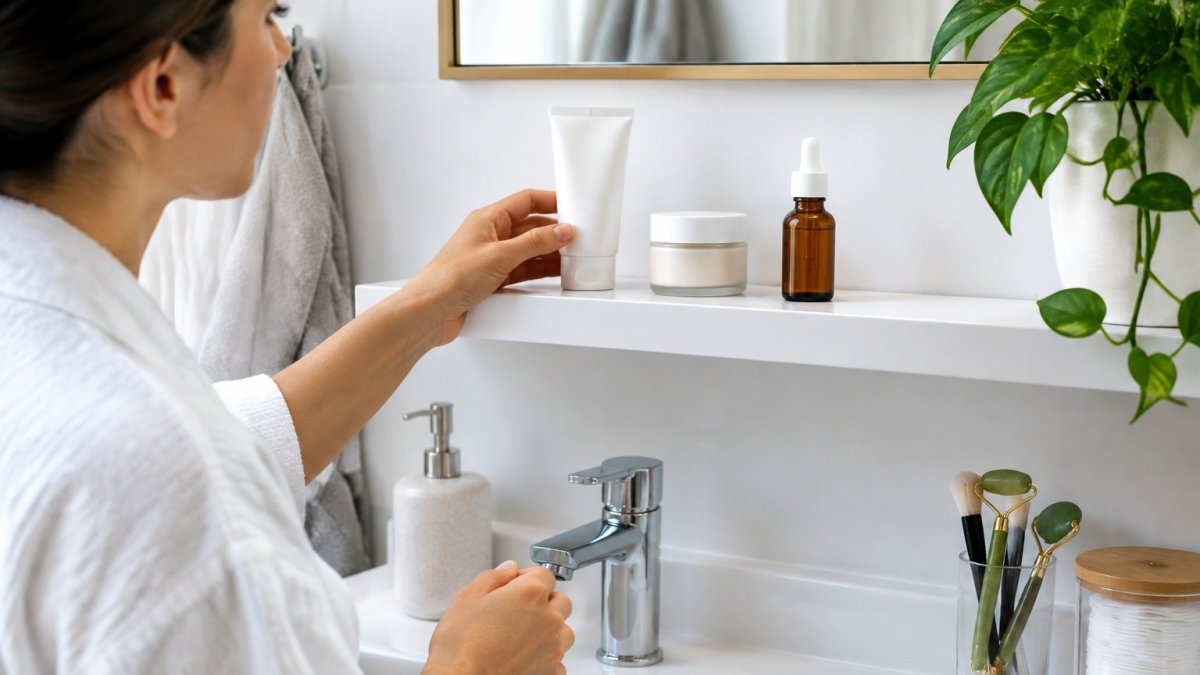
!A person at a bathroom sink lining up a gentle cleanser, a moisturizer and a small serum bottle on a clean white shelf
Follow these steps to build your routine:
- Patch test first. Apply a small amount to the jawline or behind the ear for three nights.
- Choose one active. Introduce just one new product at a time.
- Use it two or three nights a week. Keep your other nights simple.
- Watch your skin for two weeks. Look for redness, tightness, or itching.
- Increase frequency slowly. Move up only when your skin feels calm.
A Week-by-Week Schedule for Common Actives
Most people can follow a simple schedule like this one. Adjust it if your skin shows signs of stress.
- Week 1: Use the active two nights a week, after cleansing and before moisturizer.
- Week 2: Add a third night if your skin feels calm.
- Week 3: Move to every other night if no irritation appears.
| Active | Typical starting strength | Start frequency | Earliest escalation | Escalation rule |
|---|---|---|---|---|
| Retinol | 0.1%-0.3% (or a retinyl ester) | 2 nights per week | After 3-4 calm weeks | Add one night per week until every other night, then nightly if calm |
| Adapalene 0.1% (OTC) | 0.1% | 2-3 nights per week | After 4 calm weeks | Move to nightly over 4-6 weeks |
| Glycolic acid | 5%-7% | 1-2 nights per week | After 2-3 calm weeks | Increase to 2-3 nights per week; do not exceed label frequency |
| Lactic acid | 5%-10% | 2 nights per week | After 2 calm weeks | Add a third night, then every other night |
| Salicylic acid | 0.5%-2% | 2-3 nights per week | After 2 calm weeks | Increase to daily if tolerated; watch for dryness |
| Vitamin C (L-ascorbic acid) | 5%-10% | Daily or every other morning | After 2 calm weeks | Increase concentration before increasing frequency |
| Azelaic acid | 10% | Once daily | After 2-4 calm weeks | Move to twice daily if calm |
A few ingredient-specific notes matter more than the table:
- Retinoids: Apply to dry skin, wait a few minutes after cleansing, and use the "sandwich" method (moisturizer, retinoid, moisturizer) if you are starting out. Peeling in week one to two is common; burning that persists past 20 minutes is not.
- Exfoliating acids: Do not use a glycolic or lactic acid on the same night as a retinoid. If your skin stings when you apply a moisturizer the morning after an acid, skip the next scheduled acid night.
- Vitamin C: L-ascorbic acid below pH 3.5 stings more; a 10% formula at pH 3.5 is often gentler than a 20% formula at pH 2.5. If your skin is reactive, a derivative such as sodium ascorbyl phosphate or tetrahexyldecyl ascorbate is a reasonable starting point.
Watch out: If you are using a prescription retinoid such as tretinoin, do not follow an over-the-counter escalation table without checking with your prescriber, because prescription strengths and vehicles differ.
For a complete routine that supports your skin during this process, see our step-by-step guide to hydrating aging skin gently.
Typical starting strength by active
How Often to Use Retinol for Sensitive Skin
For sensitive skin, start retinol at the lowest strength available and use it two nights a week.
If retinol feels too harsh, you still have options. Our gentle retinol alternatives for sensitive skin cover gentler ways to get similar renewal benefits.
Keep these points in mind:
- Apply retinol to dry skin to reduce stinging.
- Use a moisturizer over it, not under it, unless your skin feels very tight.
- Skip retinol on nights you use strong exfoliating acids.
- Stop for a few days if you notice persistent redness.
Skin Purging vs. Irritation: How to Tell the Difference
Purging and irritation can look similar, but they have different causes and timelines.
Irritation is different. If you are feeling tightness or stinging after cleansing, our guide to why your face feels tight after washing explains what is happening and why.
A quick way to tell them apart:
- Purging: Bumps in familiar breakout spots, mild, improving over time.
- Irritation: Stinging, redness, or dryness in new spots, worsening with use.
- Allergic reaction: Swelling, hives, or a rash that spreads. Stop the product and contact a doctor.
If you are unsure, pause the active and watch your skin for a week. Persistent or painful reactions deserve a visit to a dermatologist (the American Academy of Dermatology).
Active Ingredient Compatibility and Routine Sequencing
Some actives work well together. Others can overwhelm the skin when used at the same time. Pairing them carefully keeps your routine effective and comfortable.
Consider these general guidelines:
- Use strong actives on separate nights when possible, such as retinol and exfoliating acids.
- Layer lighter products first, then thicker ones, with moisturizer last.
- Avoid stacking multiple strong actives in a single session.
- Apply vitamin C in the morning if your routine includes retinol at night.
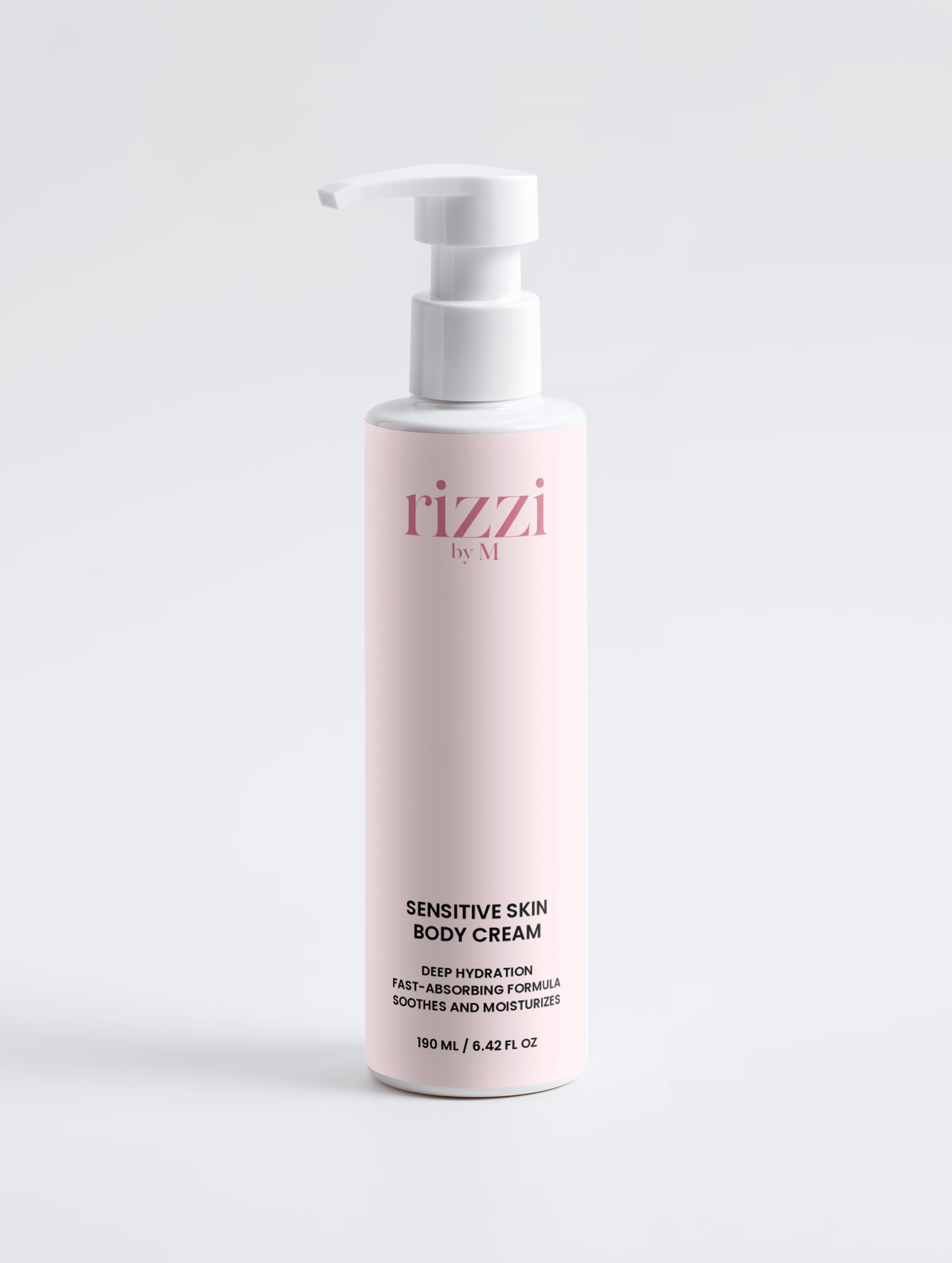
A simple sequence for a sensitive-skin routine looks like this: gentle cleanser, treatment serum, then a moisturizer that supports the barrier. The Exosome & Niacinamide Serum is formulated for brightening and renewal support, and the Sensitive Skin Body Cream is designed to nourish and soothe delicate skin.
Skin Barrier Repair After Overusing Actives
If you have overused actives and your skin feels raw, stop all actives right away. Give your skin at least one to two weeks of basic care before you try anything new.
Follow this staged recovery plan:
- Stop all actives. Pause retinol, acids, and vitamin C.
- Simplify your routine. Use only a gentle cleanser and a fragrance-free moisturizer.
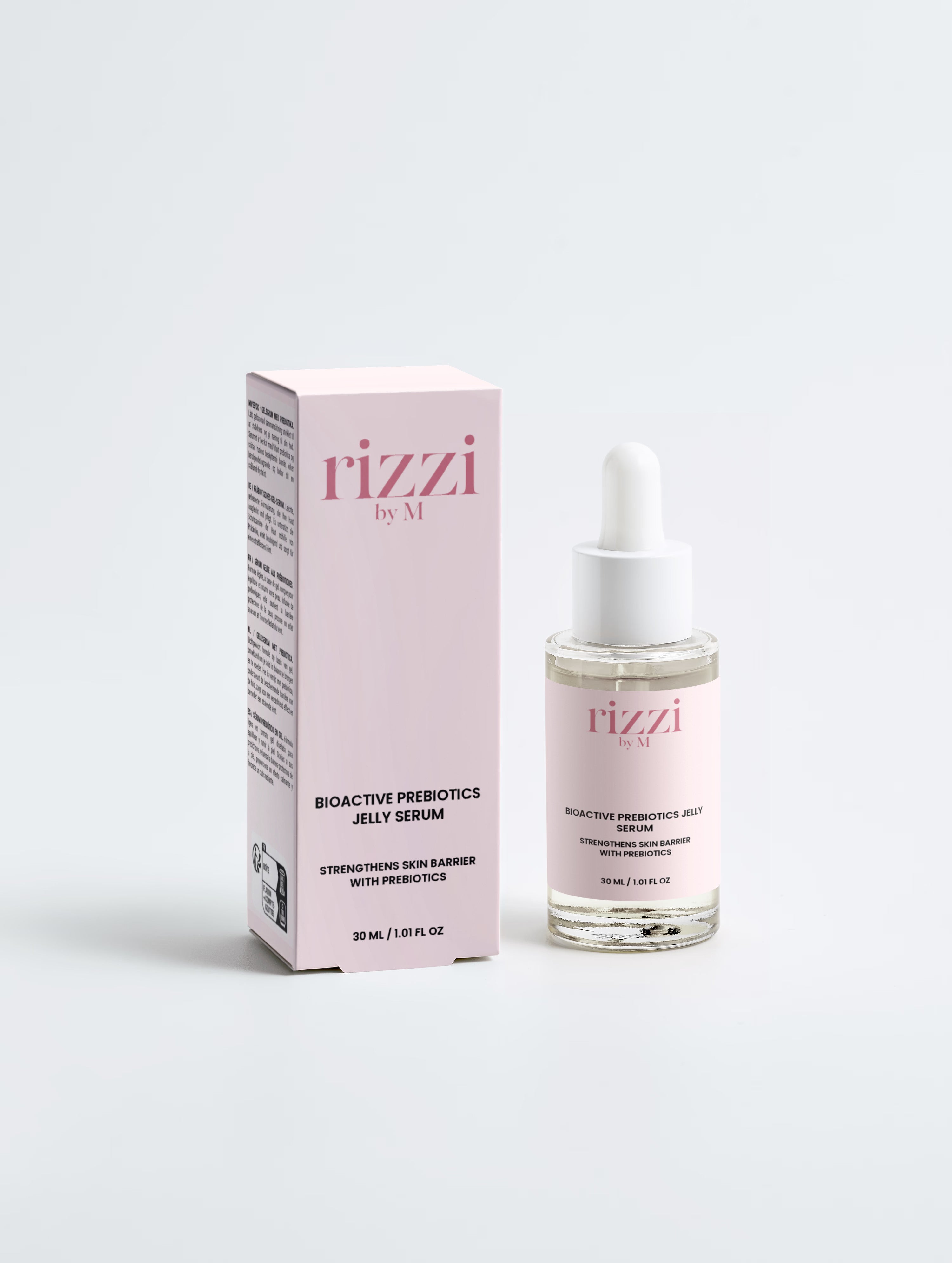
- Add hydration. Use a hydrating layer such as the Bioactive Prebiotics Jelly Serum, which is a lightweight gel formula designed to support the skin's protective barrier.
- Reintroduce slowly. After two weeks of calm skin, restart one active at the lowest strength, two nights a week.
Avoid harsh scrubs, hot water, and heavily fragranced products during recovery. If redness or peeling lasts longer than two weeks, see a dermatologist.
A Staged Recovery Timeline With Clear Checkpoints
Use the stages below as checkpoints rather than a rigid calendar.
Stage 1, Stop and simplify (days 1-3).
- Cleanse with lukewarm water and a fragrance-free, non-foaming cleanser once or twice daily.
- Apply a plain moisturizer with ceramides, glycerin, or squalane while skin is still damp.
- Skip toners, essences, exfoliants, retinoids, vitamin C, and anything with fragrance or essential oils.
- Use only mineral sunscreen outdoors; chemical sunscreens can sting compromised skin.
Stage 2, Assess (days 4-7).
- Stinging, tightness, and visible redness should be improving, not worsening.
- If your skin still burns when you apply a plain moisturizer, stay in Stage 1 for another week.
- If you see swelling, hives, weeping, or a rash that spreads beyond where you applied the product, stop and contact a clinician; that pattern suggests allergy or infection rather than simple irritation.
Stage 3, Rebuild hydration (weeks 2-3).
- Add one hydrating product at a time, such as a hyaluronic acid or prebiotic serum, and wait three to four days before adding another.
- Keep the routine to cleanser, hydrating layer, moisturizer, and sunscreen.
- Do not reintroduce exfoliants or retinoids yet, even if skin looks normal.
Stage 4, Reintroduce one active (week 3-4).
- Choose the active your skin tolerated best before the reaction, at the lowest strength you have.
- Apply it two nights per week for two weeks before increasing.
- Keep the rest of the routine unchanged so you can attribute any new reaction to the right product.
Stage 5, Rebuild gradually (week 4 onward).
- Add back one active at a time, with at least two weeks between new additions.
- Do not return to your previous frequency; most people do better at a lower maintenance frequency than the one that caused irritation.
When to Stop Self-Care and Seek Medical Care
Most irritation resolves with simplification, but some signs warrant a clinician's input rather than another week of home care:
- See a dermatologist within a few days for persistent redness or peeling beyond two weeks, burning that does not improve with a bland moisturizer, or skin that cracks and bleeds.
- Seek urgent care for facial swelling, hives, difficulty breathing, or a rash that spreads rapidly; these can signal a true allergic reaction.
- Ask about prescription options if you have a known history of eczema, rosacea, or seborrheic dermatitis, because barrier recovery in those conditions often needs targeted treatment alongside gentle care.
Watch out: Do not use a topical hydrocortisone cream on your face for more than a few days without medical guidance, because prolonged use can thin the skin and worsen some conditions.
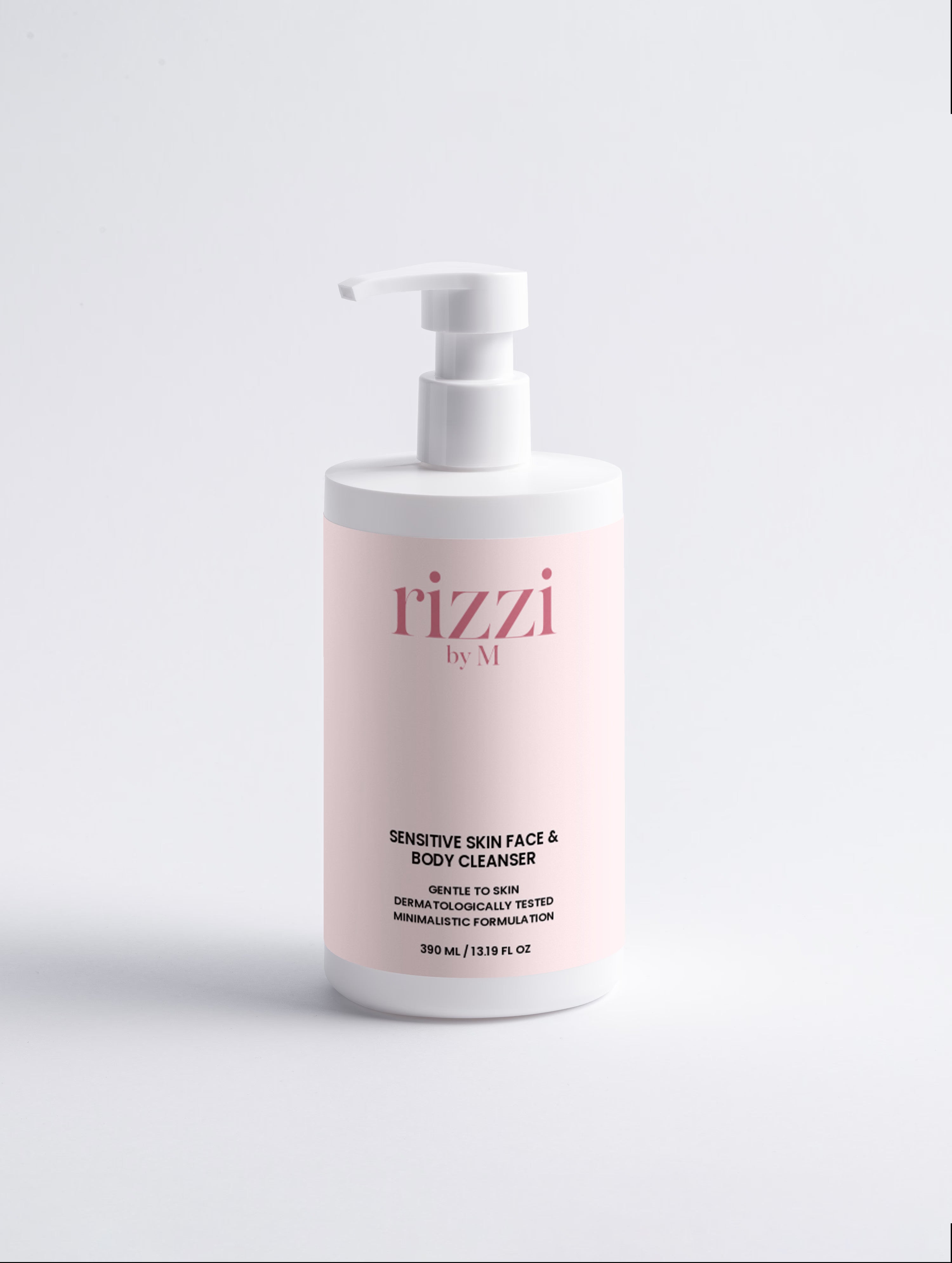
The Sensitive Skin Face & Body Cleanser is formulated to clean while helping to maintain the skin's natural moisture levels.
Building a Gentle Routine That Keeps Your Skin Calm
A calm routine is one you can keep up. For a gentle option made for reactive skin, see the sensitive skin face and body cleanser. The Sensitive Skin Face & Body Cleanser is a gentle option, formulated with a minimalist approach to help maintain the skin's natural moisture levels.
Here is a simple daily structure:
- Morning: Gentle cleanser, moisturizer, and sunscreen.
- Evening: Gentle cleanser, one active on scheduled nights, and moisturizer.
Keep your routine consistent for at least four weeks before judging results. Most skin changes take time to show.
Avoiding skin irritation from actives is about patience, pacing, and paying attention to your skin's signals. Start slowly, change one thing at a time, and protect your barrier along the way.
Frequently Asked Questions
How do I tell if my skin is irritated from products?
Irritation usually shows up within a few hours to a few days of starting a product. Common signs include stinging or burning on application, redness that spreads beyond the treated area, tightness, dryness, flaking, and small raised bumps. If symptoms are mild and fade within a day or two after you cut back, the product is likely irritating. If swelling, blistering, hives or itching that spreads across the body appear, stop the product and contact a dermatologist or healthcare provider promptly.
How often should I use active ingredients when starting out?
Start with two to three nights a week for a new retinol or exfoliating acid, and use a pea-sized amount on dry skin. Keep other actives off those nights. Increase frequency only after two to four weeks with no stinging, redness or flaking. Pausing for a few days at any sign of irritation is more useful than pushing through it.
Can I use more than one active ingredient in the same routine?
You can, but add them one at a time and avoid stacking strong exfoliating acids with retinol in the same application. Hyaluronic acid, niacinamide and gentle hydrators pair well with most actives. A simple sequence is cleanser, a water-based serum, then moisturizer, with stronger actives applied to clean, dry skin on separate nights.
When should I stop using an active and see a dermatologist?
Stop the active and book a dermatologist visit if you develop painful blistering, open sores, swelling of the face or eyes, signs of infection such as pus or spreading warmth, or irritation that lasts more than a week or two after you have paused the product. A dermatologist can also help if your skin barrier seems damaged and you are unsure how to rebuild it safely.
