


Last Updated: October 26, 2026
Quick Summary
A moisturizer for sensitive skin should contain humectants like hyaluronic acid, emollients like shea butter, and occlusives like ceramides to hydrate and protect your skin barrier. Avoid fragrance, high-concentration actives, sulfates, and alcohol denat, then patch test any new product for 24-48 hours before full use.
- Hyaluronic acid holds up to 1000 times its weight in water to deeply hydrate sensitive skin.
- Ceramides are lipids naturally present in healthy skin barriers that seal moisture and strengthen defenses.
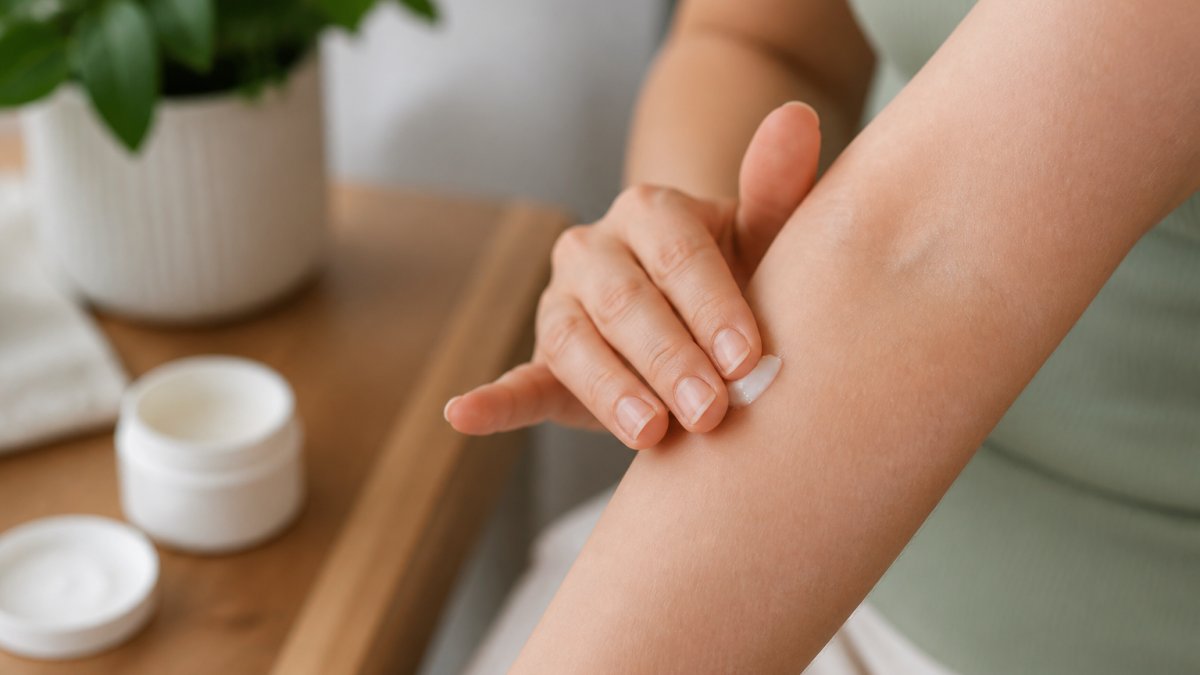
- Patch test new moisturizers on your inner forearm or behind your ear for 24-48 hours before applying to your face.
- Apply moisturizer to damp skin twice daily, morning and night, using a pressing motion rather than rubbing.
- Skip products with fragrance, sulfates, alcohol denat, and high-concentration actives like retinol or vitamin C.
Table of Contents
- Understand Your Sensitive Skin and Its Needs
- Identify Key Moisturizer Ingredients for Sensitive Skin
- Know Which Ingredients to Avoid
- How to Patch Test Skincare Products Before Full Use
- Select the Best Moisturizer for Sensitive Skin by Texture and Feel
- How to Apply Moisturizer for Maximum Benefit and Comfort
- What to Do When a Moisturizer Causes a Reaction
- Start Your Sensitive Skin Routine with the Right Moisturizer
- Frequently Asked Questions
Understand Your Sensitive Skin and Its Needs
Sensitive skin reacts more easily to products, environmental triggers, and stress than other skin types. It often feels tight, looks red, or becomes irritated after using common skincare products. Your skin barrier, the outermost layer that protects against moisture loss and irritants, may be compromised or naturally more reactive.
Understanding what makes your skin sensitive is the first step toward choosing the right moisturizer. Clean Skincare for Sensitive Skin: A Practical Guide explores foundational knowledge to help you build an effective routine. Sensitive skin needs protection, not aggression. This means avoiding harsh ingredients and focusing on formulas that calm and hydrate.
Common signs of sensitive skin include:
- Redness or visible irritation
- Tightness or uncomfortable dryness
- Itching or burning sensations
- Reaction to fragrance or strong actives
- Flaking or rough texture
At rizzi by M, we offer an intentional line of skincare essentials crafted with clean, high-quality ingredients. When you have sensitive skin, the right moisturizer becomes central to your routine.
Sensitive skin can develop at any age or life stage. Hormonal changes, harsh weather, overuse of actives, or simply your natural skin type can all create sensitivity.
The American Academy of Dermatology provides guidance on identifying and managing sensitive skin
Identify Key Moisturizer Ingredients for Sensitive Skin
Look for these ingredient categories when choosing a moisturizer:
Humectants draw water into the skin and hold it there. They work best when applied to damp skin, so moisture gets locked in.
- Hyaluronic acid: Holds up to 1000 times its weight in water
- Glycerin: A lightweight humectant that works on all skin types
- Betaine: A natural humectant derived from plants
Emollients soften and smooth the skin by filling gaps between cells. They're especially helpful for dry, sensitive skin.
- Shea butter: Rich, nourishing, and rarely irritating
- Cocoa butter: Deeply moisturizing with a luxurious feel
- Plant oils: Jojoba, argan, and squalane mimic skin's natural oils
Occlusives seal moisture into the skin and create a protective barrier. They're crucial for sensitive skin that loses water easily.
- Ceramides: Lipids that are naturally present in healthy skin barriers
- Petrolatum: A highly effective occlusive that rarely causes reactions
- Plant waxes: Beeswax and candelilla wax seal moisture gently
Soothing and barrier-supporting actives calm irritation and strengthen your skin's defenses.
- Centella asiatica: Reduces redness and supports healing
- Niacinamide: Strengthens the barrier and reduces inflammation
- Prebiotics: Support your skin's natural microbiome and protective function
Research on ceramides and skin barrier function from the Journal of Cosmetic Dermatology
Our Sensitive Skin Body Cream is listed at $24.99. Its listing names Aloe Juice, Shea Butter, and Cocoa Butter and describes the formula as fast-absorbing and deeply hydrating.

Know Which Ingredients to Avoid
Fragrance and essential oils are the top irritants for sensitive skin. Even "natural" fragrances trigger reactions in many people. Skip products labeled with fragrance, parfum, or essential oil blends.
High-concentration actives like retinol, vitamin C, and AHAs can overwhelm sensitive skin. Save these for after your barrier is fully healed and stable. Start with gentler alternatives if you want active ingredients.
Sulfates and harsh surfactants strip the skin and damage the barrier. Look for sulfate-free cleansers and avoid products with sodium lauryl sulfate.
Alcohol denat (denatured alcohol) is drying and irritating. It's different from fatty alcohols like cetyl alcohol, which are moisturizing. Check ingredient lists carefully.
Synthetic dyes and colorants add no benefit and often trigger sensitivity. Choose products without added color.
Phenoxyethanol and parabens are preservatives that some sensitive skin reacts to. While not inherently harmful, they're worth testing if your skin is very reactive.
Heavy silicones can trap bacteria and heat, worsening sensitivity for some people. If your skin feels worse after using silicone-heavy products, avoid them.
How to Patch Test Skincare Products Before Full Use
Step 1: Choose your test area. The inner forearm or behind the ear are easy to observe and less visible if a reaction occurs.
Step 2: Apply a small amount.
Step 3: Wait 24-48 hours.
Step 4: Observe carefully.
Step 5: If no reaction occurs, test on your face. Apply a small amount to one area of your face (like your cheek) for 2-3 days before using it everywhere. Some people react to facial skin but not arm skin.
Step 6: If a reaction happens, stop immediately. Wash the area gently with cool water and apply a soothing product. A reaction during testing is actually valuable information, it tells you to skip that product.
Select the Best Moisturizer for Sensitive Skin by Texture and Feel
Lightweight gels absorb quickly and feel fresh. They work well for sensitive skin that feels congested or combination-prone. Look for gel creams that hydrate without heaviness.
- Best for: Oily-sensitive skin, warm climates, daytime use
- Texture feel: Cooling, non-sticky, fast-absorbing
Creams are richer and more nourishing. They suit dry, sensitive skin and work best at night. A good cream feels luxurious without feeling greasy.
- Best for: Dry-sensitive skin, cold weather, nighttime use
- Texture feel: Smooth, comforting, lasting moisture
Lotions fall between gels and creams. They hydrate effectively without heaviness and work for most sensitive skin types.
- Best for: Normal-sensitive skin, all seasons, twice-daily use
- Texture feel: Balanced, absorbs well, not too rich
Oils and oil-infused formulas seal moisture and calm irritation. The Sensitive Skin Body Cream is specifically formulated for sensitive skin and available for purchase. They work best over damp skin or mixed with a lighter moisturizer.
- Best for: Very dry, irritated, or compromised barriers
- Texture feel: Nourishing, luxurious, may feel rich
| Texture Type | Best For | Application | Feel |
|---|---|---|---|
| Gel cream | Oily-sensitive, daytime | Damp skin | Light, fresh |
| Rich cream | Dry-sensitive, nighttime | Damp skin | Nourishing, luxurious |
| Lotion | Normal-sensitive, any time | Any skin state | Balanced, absorbs well |
| Oil serum | Very dry, barrier damage | Over moisturizer | Sealing, protective |
How to Apply Moisturizer for Maximum Benefit and Comfort
Step 1: Start with damp skin.
Step 2: Use the right amount.
Step 3: Warm it in your palms.
Step 4: Press, don't rub.
Step 5: Wait before layering.
Step 6: Use twice daily. Pair your moisturizer with a Sensitive Skin Face Body Cleanser to create a complete, gentle routine. Morning and night are ideal. Morning moisturizer protects your barrier during the day. Evening moisturizer supports overnight repair and hydration.
Learn more about repairing your skin barrier with our guide on 5 Steps to Fix a Damaged Skin Barrier Fast, which explains how consistent moisturizing supports barrier healing.
What to Do When a Moisturizer Causes a Reaction
Immediate response (first 30 minutes):
- Stop using the product immediately
- Rinse gently with cool water
- Don't use other products on the affected area
- Apply a simple, proven-safe moisturizer if your skin feels stripped, or try a Calming Facial Oil as an alternative if standard moisturizers cause irritation.
Over the next 24-48 hours:
- Avoid fragrance, actives, and new products
- Use only your gentlest cleanser and a basic moisturizer
- Apply cool compresses if redness or swelling persists
- Skip makeup if possible to let skin breathe
Identifying the problem:
- Was it a patch test reaction or a full-face reaction? Patch test reactions are usually milder and localized
- Did the reaction happen immediately or after several uses? Immediate reactions often mean a specific ingredient triggered it; delayed reactions sometimes indicate barrier damage from overuse
- What did the reaction look like? Redness, itching, and burning suggest irritation; hives or swelling suggest allergy; peeling or tightness suggest barrier damage
Distinguishing irritation from allergy: If you suspect an allergy, consider consulting a dermatologist.
Our Bioactive Prebiotics Jelly Serum is listed at $10.99. Its listing describes a lightweight gel-based formula with prebiotics and hyaluronic acid.

Start Your Sensitive Skin Routine with the Right Moisturizer
When choosing a moisturizer for sensitive skin, consider the ingredients and texture that feel right for you.
At rizzi by M, we've built our skincare line around this principle: intentional, clean ingredients that actually work. Our Sensitive Skin Body Cream combines Aloe Juice, Shea Butter, and Cocoa Butter to deliver the deep hydration and barrier support sensitive skin needs, without fragrance, unnecessary additives, or complicated ingredient lists. Start with a moisturizer designed for sensitive skin, and watch how your skin responds when it finally gets what it needs.
Frequently Asked Questions
How should I patch test a new moisturizer for sensitive skin?
Apply a small amount of the moisturizer to a discreet area like your inner arm or behind your ear. Leave it for 24-48 hours without washing the area. Watch for redness, itching, burning, or swelling. If no reaction occurs, apply to a small section of your face and wait another 24 hours before using it across your full face. This staged approach helps you identify irritation early.
What is the difference between irritation, allergy, and a temporary adjustment response to a moisturizer?
Irritation typically appears as redness, stinging, or burning that occurs within minutes to hours of application. An allergic reaction develops over hours or days and may include swelling, hives, or severe itching. A temporary adjustment response is mild redness or slight dryness that improves within a few days as your skin barrier adapts. If symptoms worsen or persist beyond a week, discontinue use and consult a dermatologist.
Which moisturizer ingredients are best for sensitive skin?
The Bioactive Prebiotics Jelly Serum ($10.99) is listed as a lightweight gel-based formula with hyaluronic acid and prebiotics.
How long does it take to see results from a new moisturizer for sensitive skin?
Most people notice improved skin comfort and reduced redness within 1-2 weeks of consistent use. Visible improvements in texture, hydration, and radiance typically appear within 3-4 weeks. If your skin barrier is damaged, it may take 4-6 weeks to see significant repair. Consistency matters: use your chosen moisturizer twice daily as directed. Avoid switching products frequently, as this prevents your skin from fully adjusting to a formula.
