


Table of Contents
- Where to Buy a Gentle Daily Face Moisturizer: What to Look For
- Daily Facial Moisturizer for Sensitive Skin: Reading the Label
- Fragrance-Free Face Moisturizer: Why It Matters and What to Avoid
- Face Moisturizer With SPF 30: Morning vs. Evening Formulas
- Where to Buy Face Moisturizer Online Without the Guesswork
- Side-by-Side Comparison of Gentle Daily Moisturizers
- Texture, Finish, and Layering Under Makeup or Sunscreen
- Frequently Asked Questions
Last Updated: October 21, 2026
Where to Buy a Gentle Daily Face Moisturizer: What to Look For
Finding a gentle daily face moisturizer that respects sensitive skin starts with reading the label, not the shelf. At rizzi by M, we've learned that the best place to buy one is wherever you can verify the full ingredient list, the formula's fragrance status, and the return policy before you pay.
A common mistake is buying on packaging claims alone. "Clean" and "natural" aren't regulated terms, so they tell you very little. What matters is what's actually inside the jar.
The Criteria That Actually Matter
Start with four filters: fragrance status, active ingredients, texture, and skin type match. According to the American Academy of Dermatology's guidance on moisturizers, fragrance is one of the most common causes of contact irritation, so a fragrance-free formula is the safer default for reactive skin.
Then check texture. Dry skin tolerates richer creams; oily and combination skin do better with lightweight lotions or gels. Finally, confirm the product suits your skin type rather than assuming one formula fits everyone.
Daily Facial Moisturizer for Sensitive Skin: Reading the Label
A daily facial moisturizer for sensitive skin should be judged by what's absent as much as what's present.
The National Eczema Association's product guidance recommends patch-testing new products on a small area before full-face use. That single habit prevents most reactions.
Pay attention to claims like "non-comedogenic," which means the formula is designed not to clog pores. It's a useful signal for oily and acne-prone skin, though it isn't a guarantee.
Fragrance-Free Face Moisturizer: Why It Matters and What to Avoid
Fragrance-free is not the same as unscented. A fragrance-free face moisturizer contains no added fragrance at all, while "unscented" products may use masking fragrances to cover the smell of raw ingredients. For sensitive skin, fragrance-free is the clearer choice.
What to avoid: parfum, essential oil blends, and "natural fragrance" listings, which can still trigger irritation. Look instead for short, transparent ingredient lists.
Face Moisturizer With SPF 30: Morning vs. Evening Formulas
A face moisturizer with SPF 30 belongs in your morning routine, not your evening one. Sunscreen filters are designed for daytime protection, and reapplying them overnight offers no benefit. At night, reach for a plain hydrating formula that supports the skin barrier while you sleep.
The Skin Cancer Foundation's sunscreen guidance recommends daily broad-spectrum SPF of 30 or higher for anyone spending time outdoors. That makes a moisturizer with SPF 30 a practical two-in-one for busy mornings.
The real decision is not "SPF or no SPF", it's whether a combined moisturizer-SPF fits how you actually apply sunscreen. Here is the trade-off in plain terms:
- Combined moisturizer + SPF 30 works best when you apply it generously as your only morning face product and you are outdoors only in short bursts (commute, errands, dog walk). The catch: to get the labeled SPF, you need about a nickel-sized amount for the face and neck, roughly the same amount you'd use of a standalone sunscreen. Most people apply far less moisturizer than that, which quietly drops the real-world protection well below SPF 30.
- Separate moisturizer + standalone sunscreen is the better fit if you spend extended time outdoors, exercise outside, or wear makeup you don't want to disturb. You control the moisturizer texture (lightweight gel, rich cream) and the sunscreen finish (matte, dewy, tinted) independently, which reduces pilling and lets you reapply sunscreen mid-day without re-moisturizing.
A few practical rules that keep either approach working:
- Apply SPF as the last skincare step, after serum and moisturizer, and before makeup. Give the moisturizer a minute to absorb so the sunscreen sits evenly.
- Reapply every two hours outdoors. A moisturizer-SPF is convenient at 7 a.m. but is not a realistic reapplication vehicle over makeup, keep a stick, mist, or powder SPF for touch-ups.
- Don't rely on SPF in a night cream. If a label lists SPF, it's a daytime product regardless of how it's marketed.
- Check the label for "broad-spectrum." In the U.S., that term is regulated and means the product has passed the FDA's broad-spectrum test; "SPF 30" alone does not confirm UVA coverage.
If texture matters more to you than convenience, layer a separate sunscreen over a lightweight moisturizer instead. If simplicity matters more, choose a moisturizer-SPF you'll actually apply in full, the best sunscreen is the one you use correctly every day.
Where to Buy Face Moisturizer Online Without the Guesswork
The best place to buy face moisturizer online is a brand's own site, where you can read the full ingredient list, check product size in fluid ounces, and confirm the return policy before checkout.
Most shopping pages show a sticker price and stop there. The useful comparison is cost per ounce, and it changes the ranking of "cheap" versus "expensive" products more often than you'd expect.
How to Calculate Cost per Ounce
Divide the price by the net weight in fluid ounces (fl oz) or ounces (oz), depending on how the label lists it. A $9.99 jar at 1.7 fl oz is about $5.88 per ounce. A $24.00 jar at 1.7 fl oz is about $14.12 per ounce. A $32.00 jar at 3.4 fl oz is about $9.41 per ounce, cheaper per ounce than the $24 jar despite the higher sticker price.
Channel-by-Channel Trade-offs
- Brand direct: Full ingredient lists, current formula versions, subscription discounts, and the clearest return windows. Best for sensitive-skin shoppers who need to verify fragrance status and full INCI lists before buying. Downside: fewer stacked discounts and slower shipping than large marketplaces.
- Large marketplaces: Fast shipping and frequent promotions, but listings are often stale, sizes vary by seller, and "sold by" third parties can mean unauthorized or expired stock. Check the seller name, the size in the listing, and whether the item is fulfilled by the marketplace or the seller.
- Drugstore and big-box retailers (online): Good for widely distributed fragrance-free drugstore formulas and easy in-store returns. Selection skews to mass-market brands, and ingredient lists on retailer pages are sometimes incomplete, cross-check on the brand site.
- Specialty beauty retailers: Strong for sensitive-skin and dermatologist-recommended lines, with generous return policies. Prices are usually full retail, so compare cost per ounce against brand-direct bundles.
What to Verify Before Checkout
- Full ingredient list, not a "key ingredients" highlight. Confirm "fragrance-free" on the label, not just in the marketing copy.
- Net size in fl oz or oz, so you can run the cost-per-ounce math above.
- Return policy, especially for opened products, sensitive-skin shoppers should favor retailers that accept opened returns.
- Authenticity signals: authorized-retailer lists on the brand site, batch or lot codes, and expiration or PAO (period-after-opening) symbols.
- Shipping and pickup options if you'd rather not wait, plus whether the retailer ships in temperature-sensitive packaging during hot months.
Side-by-Side Comparison of Gentle Daily Moisturizers
Here's how our own gentle formulas compare on the criteria that decide the purchase. Every product below is fragrance-conscious, sized for daily use, and priced transparently.
| Product | Price | Best For | Key Actives | Texture |
|---|---|---|---|---|
| Anti-Age Day Cream | $9.99 | Mature, dehydrated skin | Hyaluronic acid, betaine, shea butter | Velvety cream |
| Bioactive Prebiotics Jelly Serum | $10.99 | All skin types, damaged barrier | Prebiotics, hyaluronic acid | Lightweight gel |
| Exosome & Niacinamide Serum | $22.99 | Dullness, early aging, sensitive skin | Niacinamide, exosomes, CICA | Fast-absorbing serum |
| Peptide Anti-Aging Serum | $15.70 | Dry, normal skin, fine lines | Peptides, hyaluronic acid, sodium PCA | Silky serum |
| Calming Facial Oil | $17.99 | Dry, dull skin needing glow | CBD, organic-certified oils | Facial oil |
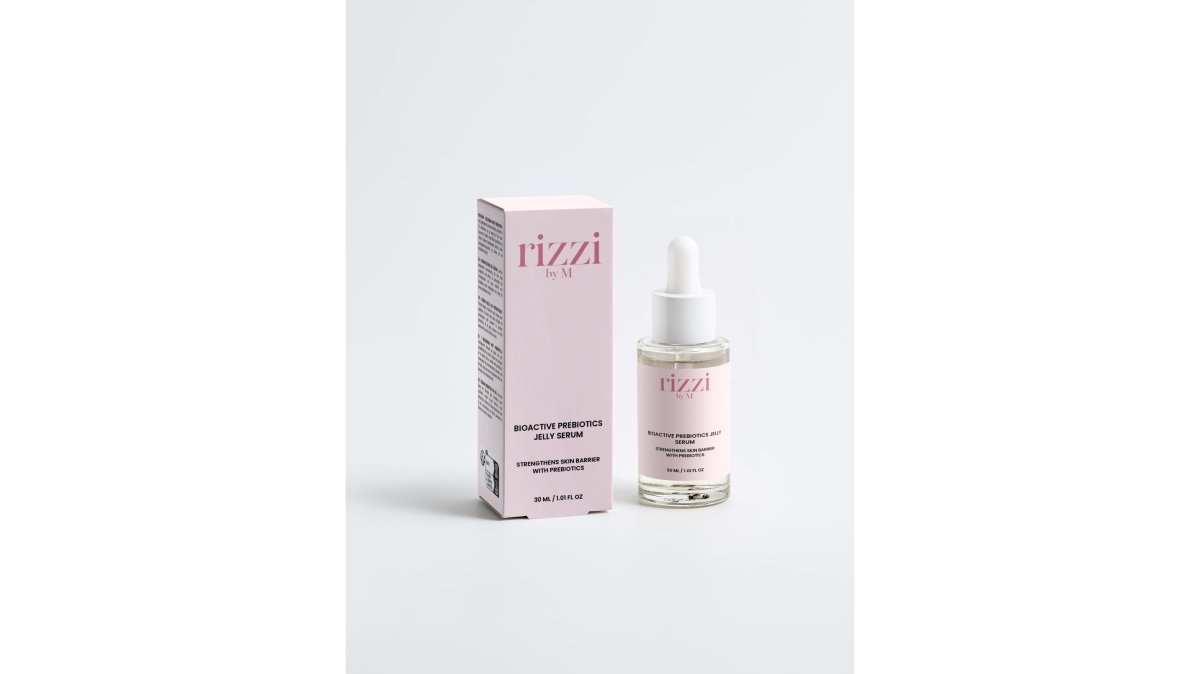
Our top pick for most people is the Anti-Age Day Cream at $9.99.


Texture, Finish, and Layering Under Makeup or Sunscreen
Texture decides whether you'll actually use a moisturizer daily. Creams suit dry and mature skin and layer well under sunscreen. Gels and lotions absorb faster and sit better under makeup, especially for oily and combination skin.
Layering order matters: cleanse, apply serum, then moisturizer, then SPF. Give each layer a minute to absorb before the next. If your moisturizer pills under makeup, you're likely applying too much or layering two silicone-heavy products.
Frequently Asked Questions
What is the best face moisturizer for everyday use?
The best daily formula is one your skin tolerates every morning and night without irritation. Look for a short ingredient list built around humectants like hyaluronic acid, glycerin, or betaine, plus barrier-supporting ingredients such as niacinamide or prebiotics. Skip added fragrance and drying alcohols. A gentle daily face moisturizer should absorb within a minute and leave no heavy residue, so it layers cleanly under sunscreen or makeup. Price is not a reliable signal of quality here; a $9.99 cream can outperform a $60 one if the formula matches your skin type.
How do I choose a daily facial moisturizer for sensitive skin?
Start by cutting the variables. Choose a fragrance-free, non-comedogenic formula with no more than 15 to 20 ingredients, then patch test it on your jawline for three nights before using it on your full face. Sensitive skin reacts to specific triggers, not to categories, so track what causes stinging or flaking. Ingredients like prebiotics and aloe tend to calm reactive skin, while exfoliating acids and strong actives belong in a separate step, not in your moisturizer. If your barrier is damaged, a lightweight gel serum under a richer cream often works better than one heavy product.
Should a daily face moisturizer include SPF?
Yes for daytime, no for nighttime. A face moisturizer with SPF 30 covers incidental sun exposure on short commutes and errands, and it removes one step from your morning routine. Two caveats: you need about a quarter teaspoon for full-face coverage, and most people apply far less than that, so a dedicated sunscreen on top is still the safer choice for long outdoor time. At night, switch to a plain moisturizer without SPF filters, since those ingredients serve no purpose while you sleep and can feel occlusive.
Where can I buy a gentle daily face moisturizer?
You can buy a gentle daily face moisturizer directly from brand websites, which usually gives you the freshest stock, full ingredient lists, and the ability to check batch details. Department stores and specialty retailers carry established lines but often at a markup. When you shop online, confirm the retailer lists the full INCI ingredient panel, states the product size in fluid ounces, and shows a real return policy. Compare cost per ounce rather than sticker price. A $9.99 jar of Anti-Age Day Cream, for example, is a low-risk way to test whether a formula suits your skin before committing to a larger size.
How long before a new moisturizer shows results?
Hydration is immediate: skin feels softer within hours and looks less tight by the next morning. Barrier repair and improved texture take longer, typically two to four weeks of consistent twice-daily use. Visible changes in fine lines and radiance usually need six to eight weeks, because they depend on sustained moisture levels and cell turnover rather than a single application. If your skin stings, turns red, or breaks out within the first week, stop using the product. That is a reaction, not a purge, and no amount of waiting will fix it.
Choosing a gentle daily face moisturizer comes down to reading labels honestly and buying where the details are visible. That's the standard we hold ourselves to at rizzi by M, where every formula is built on clean ingredients without unnecessary fluff. Our Anti-Age Day Cream delivers deep hydration and soothing support for delicate skin, while our serums target dullness and fine lines. Explore the full line and find the formula that fits your routine.